
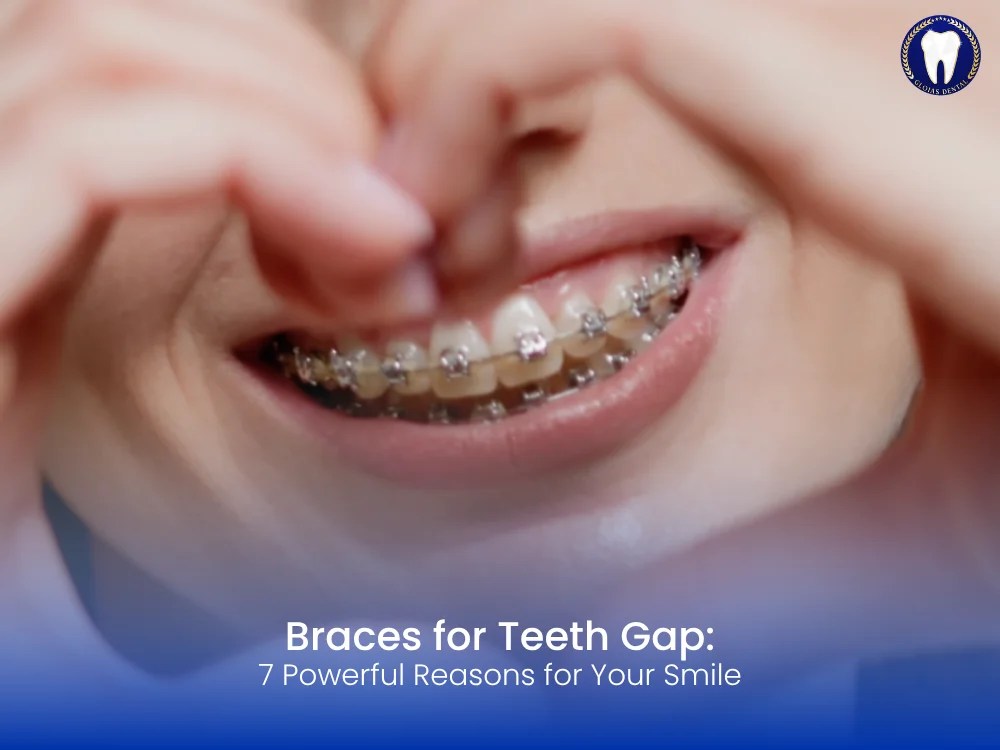
A gap between the teeth, especially in the front, can make many people feel self-conscious. This spacing, known as a diastema, is more than just a cosmetic concern—it can affect bite function, oral hygiene, and even speech. The good news? Braces for teeth gap have consistently proven to be one of the most effective and long-term solutions for closing gaps and achieving a healthy, confident smile.
Whether your gap is small or wide, caused by genetics, habits, or missing teeth, there’s a braces solution designed just for you. In this comprehensive guide, we’ll explore how braces work to close teeth gaps, their benefits, types available, and key considerations before choosing a treatment plan.
Understanding Braces for Teeth Gap and Their Causes
Gaps between teeth can occur for various reasons, and identifying the cause helps determine the most suitable treatment.
Common Causes of Gaps:
- Genetics: Some people are born with a mismatch between jaw and tooth size, leading to spacing.
- Thumb Sucking or Tongue Thrusting: These childhood habits can push teeth apart over time.
- Missing Teeth: When a tooth is absent, nearby teeth may shift, creating gaps.
- Gum Disease: Periodontal issues can cause bone loss and tooth movement.
- Oversized Labial Frenum: A thick tissue connecting the upper lip to the gums may create a gap between the front teeth.
How Braces for Teeth Gap Work
Braces apply controlled pressure on teeth to gradually move them into the correct position. Over time, this pressure closes the gaps while also improving alignment and bite function.
Orthodontic Mechanics at Play:
- Brackets are attached to each tooth
- Archwires connect the brackets and apply tension
- As the wire tightens during adjustments, teeth shift closer together
- Elastics or other components may help close specific gaps
Types of Braces for Teeth Gap
Traditional Metal Braces
- Most effective for severe or multiple gaps
- Visible but cost-effective
- Regular adjustments required
Ceramic Braces
- Function like metal braces but use tooth-colored brackets for better aesthetics
- Slightly more expensive and can stain if not cared for properly
Lingual Braces
- Placed behind the teeth, making them invisible from the front
- Require more maintenance and adjustment time
- Ideal for patients prioritizing discreet treatment
Clear Aligners (e.g., Invisalign)
- Removable and virtually invisible
- Best for mild to moderate spacing
- Requires patient discipline to wear 20–22 hours per day
Benefits of Choosing Braces for Teeth Gap
1. Long-Term Effectiveness
Braces offer a permanent solution when paired with proper post-treatment care, such as retainers. Unlike veneers or bonding, braces address the root issue.
2. Improved Oral Health
Closing gaps reduces places where food and bacteria can get trapped, lowering the risk of cavities and gum disease.
3. Enhanced Smile Aesthetics
Once the gaps are closed, the teeth appear more uniform, leading to a confident and attractive smile.
4. Better Speech and Function
Some gaps affect speech or cause tongue interference. Braces correct these issues by aligning the teeth properly.
5. Custom Treatment Options
With multiple types of braces available, patients can choose based on severity, lifestyle, and budget.
6. Boost in Confidence and Self-Esteem
Closing teeth gaps can dramatically improve how a person feels about their smile, enhancing both personal and professional interactions.
7. Preventing Future Dental Problems
Gaps can lead to misalignment over time. Early treatment prevents bite issues and potential jaw problems.
Duration of Treatment for Braces for Teeth Gap
The length of treatment varies based on the size and cause of the gap, patient compliance, and the type of braces used.
Gap Size | Average Treatment Duration |
Small (1–2 mm) | 6–9 months |
Medium (2–4 mm) | 9–12 months |
Large (4+ mm) | 12–24 months |
Follow-up with retainers is crucial to maintain results and prevent teeth from shifting back.
Factors to Consider Before Getting Braces for Teeth Gap
Age and Timing
Braces are effective at any age, though teeth may shift faster in teenagers due to jaw development.
Oral Health Status
Patients must have healthy gums and teeth before starting orthodontic treatment. Gum disease or decay must be treated first.
Lifestyle and Compliance
Aligners require discipline, while fixed braces need care in brushing, flossing, and avoiding hard foods.
Cost of Braces for Teeth Gap
Costs vary depending on treatment type, location, and severity of the gap.
Type of Braces | Approximate Cost (USD) |
Metal Braces | $3,000 – $5,000 |
Ceramic Braces | $4,000 – $6,000 |
Lingual Braces | $8,000 – $10,000 |
$4,000 – $7,000 |
Dental insurance may partially cover treatment, especially if medically necessary.
Post-Braces for Teeth Gap: Maintaining the Results
Completing orthodontic treatment is an exciting milestone, but the journey doesn’t end when the braces come off. One of the most crucial steps after closing a teeth gap with braces is maintaining the new alignment. Teeth naturally have a tendency to shift back toward their original positions, a process known as relapse. Without proper aftercare, small gaps may reopen, undoing months or even years of progress. This is where retainers come into play—they act as a safeguard to keep your smile intact.
Fixed Retainers: Long-Term Protection
Fixed retainers, also known as bonded or permanent retainers, are thin wires cemented to the back of your teeth. Because they are discreet and non-removable, they continuously hold teeth in place, providing long-term stability. Many orthodontists recommend fixed retainers for patients who had significant spacing issues, as they offer round-the-clock protection without requiring patient compliance. However, maintaining good oral hygiene is essential since plaque and tartar can build up around the retainer if not cleaned properly.
Removable Retainers: Flexible but Effective
Removable retainers are another common option, typically made of clear plastic (like Essix retainers) or acrylic with metal wires (Hawley retainers). These retainers are often worn nightly or as prescribed by the orthodontist. Their biggest advantage is flexibility—you can remove them for eating, brushing, or special occasions. However, their effectiveness depends on consistent wear. Forgetting or neglecting to use them increases the risk of your teeth gradually shifting back, which could cause gaps to reappear.
Why Retainers Are Non-Negotiable
Neglecting retainer use is the leading cause of orthodontic relapse. Even if your teeth feel stable, subtle movements can occur over time. The bone and gums around the teeth take months to fully adapt to their new positions, and retainers provide the support needed during this critical adjustment period. Wearing retainers exactly as instructed ensures that the hard work and investment put into braces deliver lasting results.
In short, braces close the gap, but retainers keep it closed. Think of them as insurance for your new smile—without them, the risk of relapse is high. By following your orthodontist’s guidelines and committing to lifelong retainer use, you can enjoy a beautifully aligned, gap-free smile for years to come.
FAQs: Braces for Teeth Gap
1. Are braces the only way to fix teeth gaps?
No. Options like dental bonding or veneers can mask small gaps, but braces are the only solution that moves teeth into proper alignment for long-term results.
2. Do braces for teeth gap hurt?
Mild discomfort may occur, especially after adjustments, but the pain is manageable and usually temporary.
3. Can I choose Invisalign to close my gap?
Yes, if the gap is mild to moderate and your case qualifies. Severe gaps may require traditional braces.
4. Will my gap reopen after braces?
Not if you follow post-treatment protocols, especially wearing retainers as prescribed.
5. How soon will I see results?
Some patients notice progress within the first few months, though full closure takes longer depending on the gap size.
6. Are teeth gaps harmful to oral health?
They can be. Gaps collect food and bacteria more easily, leading to gum problems and tooth decay if not addressed.
7. How long do braces take to close a teeth gap?
The timeline depends on the size of the gap and your individual case. Small gaps may close in a few months, while larger ones can take a year or more.
8. Are braces for teeth gap covered by insurance?
Some dental insurance plans cover orthodontic treatment, especially if it’s medically necessary. Cosmetic cases may not be fully covered, so it’s best to check your policy.
9. Do teeth gaps come back without retainers?
Yes. Without wearing retainers, teeth can slowly shift back and cause gaps to reopen over time.
10. Can children and adults both get braces for teeth gap?
Absolutely. Braces work for both children and adults, although treatment may be faster in younger patients since their jawbones are still developing.
11. Are there foods I should avoid with braces for teeth gap?
Yes. Sticky, hard, or chewy foods can damage braces and delay treatment. Avoid foods like gum, hard candies, and popcorn.
12. Do braces change the shape of my face if I have a teeth gap?
In some cases, braces can subtly improve facial symmetry by aligning the teeth and jaws, giving a more balanced appearance.
13. Is dental bonding better than braces for teeth gap?
Bonding can provide a quick cosmetic fix, but it doesn’t actually move teeth. Braces, on the other hand, provide a permanent solution by aligning teeth properly.
14. Can a teeth gap close on its own without braces?
Small gaps in children may close naturally as permanent teeth come in, but in most adults, gaps don’t close without treatment.