Bracket braces are fixed orthodontic systems that use bonded brackets and archwires to straighten teeth and correct bite problems. Available in metal, ceramic, self-ligating, and lingual types, they offer precise control for mild to complex cases and remain the gold standard for predictable orthodontic treatment.
What Are Bracket Braces?

Bracket braces are fixed orthodontic appliances designed to align teeth and correct bite issues. Small brackets are bonded to each tooth and connected with an archwire that applies gentle, controlled pressure. Over time, this pressure moves teeth into healthier, more functional positions.
Unlike removable aligners, bracket braces remain in place 24/7. This makes them especially effective for moderate to complex orthodontic cases, where precise and continuous control is required.
At clinics such as GLOJAS Dental Clinic, orthodontic treatment planning is based on detailed clinical evaluation, digital imaging, and evidence-based orthodontic principles.
How Bracket Braces Work
Bracket braces work through a natural biological process called bone remodeling:
Brackets are securely bonded to the teeth
An archwire connects the brackets
Gentle, continuous force moves teeth gradually
Bone reshapes to support the new tooth position
Regular orthodontic adjustments ensure tooth movement is safe, controlled, and predictable.
Types of Bracket Braces and Their Uses
1. Metal Braces
Best for: Most patients, especially complex cases
Made from high-grade stainless steel
Extremely strong and durable
Smaller and more comfortable than older designs
Metal braces offer the highest level of control, making them ideal for severe crowding, significant bite problems, and complex tooth movements.
2. Ceramic Braces
Best for: Patients seeking a less noticeable option
Tooth-colored or clear brackets
Blend more naturally with teeth
Slightly more fragile than metal
Ceramic braces function similarly to metal braces but require excellent oral hygiene to prevent staining around the brackets.
3. Self-Ligating Braces (Including Damon System)
Best for: Easier cleaning and efficient adjustments
Built-in clips hold the wire (no elastic ties)
Reduced friction in some cases
May shorten adjustment appointments
The Damon system is a well-known brand of self-ligating braces, not a separate type of orthodontic treatment.
4. Lingual Braces
Best for: Patients wanting braces hidden from view
Placed behind the teeth
Not visible from the front
More technique-sensitive
Lingual braces can be very effective but require specialized orthodontic training and are not suitable for every patient.
What Bracket Braces Can Correct
Bracket braces are commonly used to treat:
Crowded or overlapping teeth
Gaps and spacing issues
Overbite, underbite, crossbite, and open bite
Rotated or impacted teeth
Relapse after previous orthodontic treatment
They are suitable for children, teenagers, and adults, depending on dental health and treatment goals.
Bracket Braces vs Clear Aligners
Bracket braces and clear aligners serve different clinical needs:
Bracket braces: Best for complex tooth movement and bite correction
Clear aligners: Removable and discreet but require strict wear compliance
It’s important to note that clear aligners are not brackets and should not be classified as a type of bracket brace.
Treatment Duration
Average treatment time: 12–24 months
Complex cases: up to 30 months
Adjustment visits every 4–8 weeks
Following orthodontist instructions, wearing elastics as prescribed, and maintaining good oral hygiene can help keep treatment on schedule.
Comfort and Pain Expectations
Mild soreness or pressure is common after adjustments and typically lasts a few days. Most patients adapt quickly. Soft foods and orthodontic wax can improve comfort during this period.
With proper care, bracket braces should not cause long-term pain.
Oral Care With Bracket Braces
Maintaining excellent oral hygiene is essential:
Brush after every meal
Use interdental brushes or water flossers
Use fluoride toothpaste to protect enamel
Avoid hard, sticky, or chewy foods
Poor hygiene may lead to white spot lesions or cavities around brackets.
Cost Considerations
The cost of bracket braces varies based on case complexity, bracket type, and location. Many clinics, including GLOJAS Dental Clinic, offer:
Flexible monthly payment plans
Partial insurance coverage, especially for children
A personalized consultation provides the most accurate estimate.
Retainers After Braces
After bracket braces are removed, retainers are essential to keep teeth in their new positions. Skipping retainer wear can cause teeth to shift back, reversing treatment results.
Safety and Risks
Bracket braces are safe when supervised by a qualified orthodontist. Possible risks include:
Temporary discomfort
Bracket or wire breakage
Enamel decalcification if oral hygiene is poor
These risks are largely preventable with proper care and regular follow-ups.
Frequently Asked Questions
Do bracket braces damage teeth?
No. With good oral hygiene, braces improve long-term dental health.
Are ceramic braces as effective as metal braces?
Yes for many cases, though metal braces may be preferred for complex movements.
Can adults get bracket braces?
Yes. Adult orthodontic treatment is common and highly effective.
Which braces work the fastest?
Treatment speed depends on the complexity of the case, not just the bracket type.
Do self-ligating braces hurt less?
Some patients report improved comfort, but experiences vary.
Key Takeaway
Bracket braces remain the most reliable orthodontic solution for precise, long-lasting tooth alignment. With modern designs, aesthetic options, and evidence-based treatment planning—as practiced at GLOJAS Dental Clinic—they are suitable for patients of all ages seeking effective bite correction and a healthier smile.
Get RM2,000 Off Invisalign Cost At GLOJAS Dental Clinic

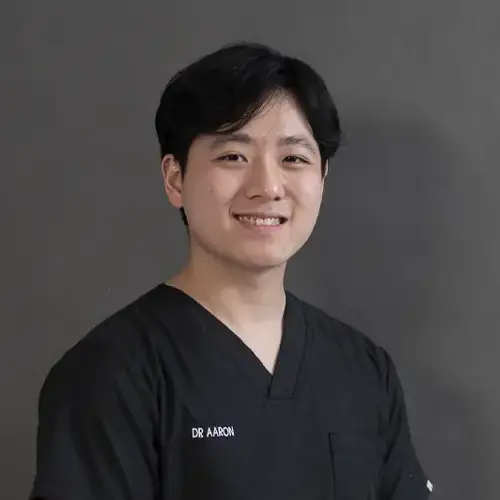
Ready to transform your smile? Book your consultation with Dr. Aaron Ng at GLOJAS Dental Clinic in Desa Sri Hartamas, Kuala Lumpur, and enjoy an exclusive RM 2,000 rebate on your Invisalign treatment.
Expert Care: Dr. Aaron Ng is a certified Invisalign provider specializing in customized, gentle smile transformations.
Advanced Tech: See your future smile in 3D using our advanced intraoral scanners before you even begin.
Flexible Payments: Easy 0% installment plans are available to fit your monthly budget.
[Click Here to Book Your Consultation & Claim Your RM2,000 Rebate]
Clinic Address:
B-2, Glomac Galleria, 06, Jalan 26A/70A,
Desa Sri Hartamas, 50480 Wilayah Persekutuan,
Kuala Lumpur, Malaysia.