Living with protruding front teeth—commonly called buck teeth—is a shared experience for many Malaysians. Whether it’s a minor aesthetic quirk or a functional challenge, understanding your options is key. In 2026, Malaysia’s orthodontic landscape offers advanced, affordable solutions to align your smile and improve your oral health.
GLOJAS Dental Clinic in Kuala Lumpur offers advanced orthodontic solutions to correct buck teeth, utilizing precision braces and Invisalign to restore functional alignment and a confident, balanced smile.
What Are Buck Teeth?
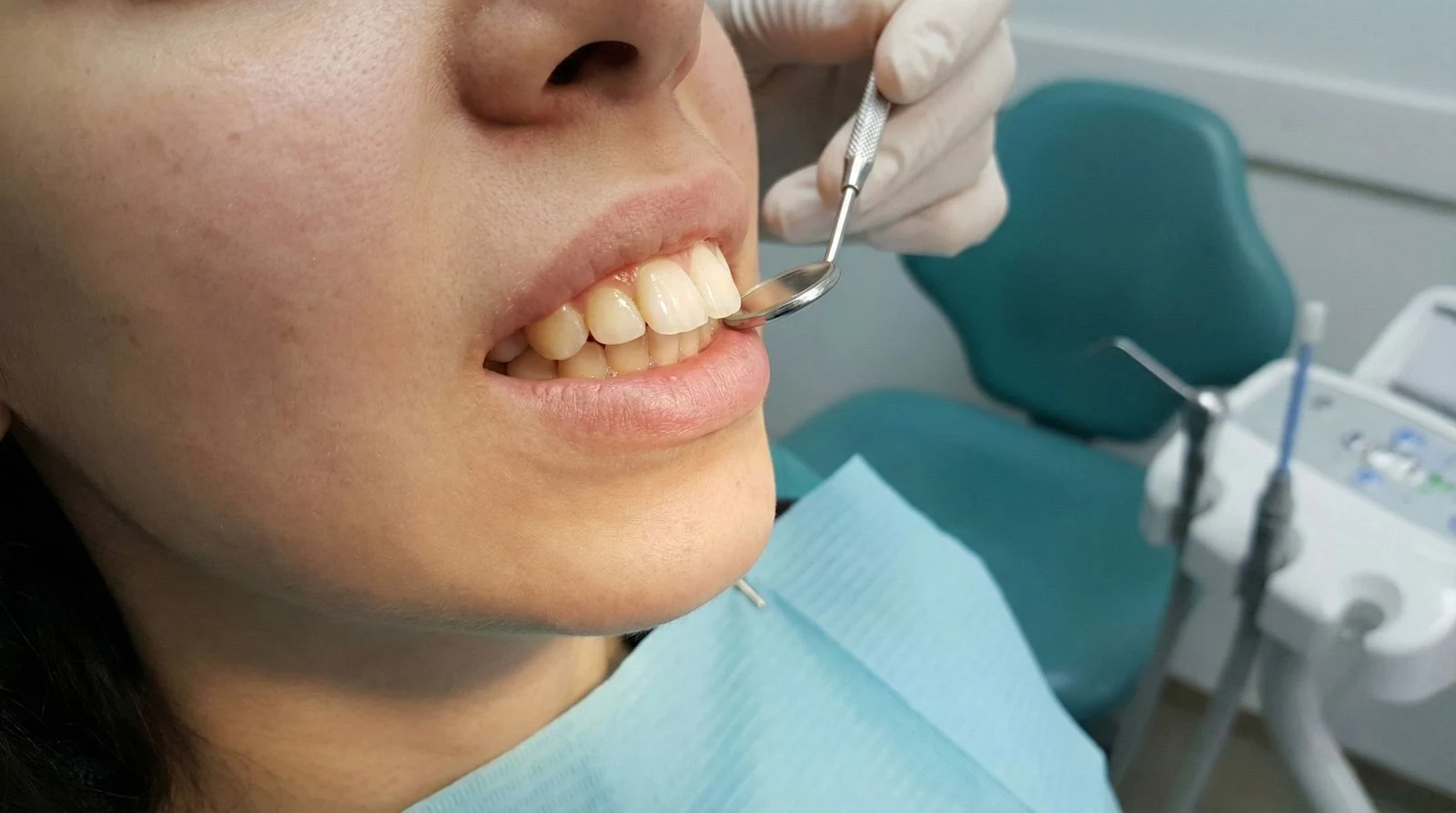
Buck teeth, or overjet, is a malocclusion where upper front teeth protrude horizontally beyond lower teeth by more than 3 to 4 millimeters. Common causes include genetics, thumb sucking, or jaw misalignment. Treatments in Malaysia range from Invisalign and braces to jaw surgery for severe skeletal issues.
Definition of Buck Teeth
In clinical terms, buck teeth are a type of Class II malocclusion. This refers to a discrepancy where the upper maxillary teeth sit too far forward. According to the American Association of Orthodontists, an overjet is measured horizontally and can range from subtle to severe, often impacting facial symmetry.
How to Identify Buck Teeth
You can identify buck teeth by looking at your profile or bite. If the upper incisors extend more than 3 to 4 millimeters past the lower teeth, it is considered an overjet. Common signs include difficulty closing lips fully, biting the lower lip, or teeth appearing “pushed out” visually.
Common Causes of Buck Teeth
The roots of protruding teeth vary from person to person. While some are born with a specific jaw shape, others develop the condition through childhood habits. Identifying the cause is the first step a Malaysian orthodontist takes to create a personalized, effective treatment plan for long-term stability.
Causes of Buck Teeth
Why do teeth protrude? It’s often a combination of nature and nurture. Understanding these triggers helps in choosing the right corrective path, especially when dealing with skeletal versus dental issues.
Genetics and Family History
If your parents had protruding teeth, you are more likely to have them too. Genetics dictate the size and shape of your jaw and teeth. Inherited traits, such as a small lower jaw or large upper teeth, create a natural mismatch that results in the classic buck teeth appearance.
Jaw Misalignment
Skeletal issues, such as vertical maxillary excess or a retruded mandible (lower jaw), are major culprits. When the upper jaw is too large or the lower jaw is too small, the teeth cannot meet correctly. This structural imbalance often requires more than just braces to fix effectively.
Childhood Habits (Thumb Sucking, Tongue Thrusting)
Prolonged thumb sucking past age five can physically push teeth outward and reshape the developing jaw bone. Similarly, tongue thrusting—where the tongue presses against the front teeth during swallowing—acts as a continuous, gentle force that gradually moves the teeth into a protruding position over several years.
Dental Development Issues
Crowding, missing teeth, or extra teeth can disrupt alignment. If there isn’t enough room in the dental arch, teeth may be forced outward. Additionally, impacted teeth or cysts can put pressure on the roots of front teeth, causing them to flare out unexpectedly during late adolescence.
Buck Teeth Treatment Options in Malaysia
Malaysia is a hub for high-quality dental care, offering everything from traditional metal braces to cutting-edge robotic aligners. The choice depends on your age, the severity of the protrusion, and your budget.
Braces and Orthodontic Treatments
Traditional metal or ceramic braces remain the gold standard for correcting severe overjets. By applying constant pressure, braces move both the teeth and the supporting bone. Most Malaysian clinics offer self-ligating systems like Damon Braces, which often reduce treatment time and require fewer adjustment appointments.
Clear Aligners (Invisalign)
For a discreet look, clear aligners like Invisalign are incredibly popular in Kuala Lumpur and Penang. These removable trays use 3D mapping to shift teeth incrementally. They are ideal for mild to moderate buck teeth and allow you to maintain better oral hygiene compared to fixed appliances.
Dental Veneers and Crowns
If the protrusion is purely aesthetic and minor, veneers or crowns can “mask” the issue. This involves reshaping the natural tooth and applying a porcelain shell. While fast, this doesn’t fix the underlying bite and is generally not recommended for significant structural overjets or functional bite problems.
Jaw Surgery for Severe Cases
For adults with significant skeletal misalignments, orthognathic surgery may be necessary. A maxillofacial surgeon repositions the jaw bones to achieve a functional bite. This is usually performed in conjunction with braces and offers the most dramatic improvement in both facial aesthetics and respiratory function.
Early Intervention for Children
The Malaysian Dental Association recommends a first orthodontic screening by age seven. Early intervention, or Phase 1 treatment, uses palatal expanders or functional appliances to guide jaw growth. This can prevent the need for extractions or invasive surgery once the child reaches their teenage years.
Benefits of Correcting Buck Teeth
Fixing an overjet is about much more than a “perfect” smile. It’s a health investment that prevents future dental complications and enhances your daily quality of life in significant ways.
Improved Smile Appearance
Aligning protruding teeth restores facial harmony and brings the lips into a natural resting position. This transformation often makes the entire face look more balanced. A symmetrical smile is a powerful social asset, often leading to a more youthful and approachable aesthetic.
Enhanced Oral Function
Correcting buck teeth protects your dental health. Protruding teeth are highly susceptible to dental trauma and fractures, especially during sports. Realignment ensures that your teeth are shielded by your lips and reduces the risk of accidental chips or breaks during daily activities.
Better Speech and Chewing
An overjet can cause speech impediments, such as lisping, because the tongue cannot properly touch the teeth. It also makes biting into foods like apples or sandwiches difficult. Proper alignment improves mastication (chewing) efficiency, which aids in better digestion and clearer, more confident vocal articulation.
Boosted Confidence and Self-Esteem
Many people with buck teeth feel self-conscious, often covering their mouths when they laugh. Correcting the issue removes this psychological barrier. Studies show that a confident smile improves social interactions and professional opportunities, significantly enhancing overall self-esteem and mental well-being for patients of all ages.
Cost of Buck Teeth Treatments in Malaysia
Malaysia offers some of the most competitive dental pricing in Southeast Asia, attracting many international patients for orthodontic work. Prices vary depending on the complexity of your case and the technology used.
Average Prices for Braces and Aligners
| Treatment Type | Estimated Cost (MYR) |
| Metal Braces | RM 5,000 – RM 9,000 |
| Ceramic Braces | RM 7,000 – RM 12,000 |
| Clear Aligners (Invisalign) | RM 12,000 – RM 22,000 |
| Jaw Surgery | RM 20,000 – RM 45,000 |
Factors Affecting Treatment Cost
Your total bill depends on the duration of treatment, the need for extractions, and the specialist’s experience. Clinics in premium areas like Mont Kiara might charge more. Additional costs often include 3D dental imaging, retainers, and monthly adjustment fees, so always ask for an all-inclusive quote.
Insurance and Payment Options
Most Malaysian insurance providers classify orthodontic work as cosmetic, meaning it’s rarely covered. However, many private clinics offer 0% interest installment plans over 12 to 24 months. This makes high-quality treatment accessible, allowing you to pay as you go throughout your alignment journey.
Buck Teeth FAQs
Can buck teeth correct themselves?
No, buck teeth will not straighten out on their own. As a child grows, the jaw and teeth become more set in their positions. Without professional intervention like braces or aligners, the protrusion will likely remain or even worsen as adult teeth continue to shift over time.
At what age should treatment start?
While adults can successfully fix buck teeth at any age, the “sweet spot” is usually between ages 10 and 14. At this stage, the head and mouth are still growing, making it easier to shift teeth and guide the jaw into the correct, healthy alignment.
Are treatments painful?
Modern orthodontics prioritizes comfort. While you may feel some pressure or soreness for a few days after getting braces or switching aligner trays, actual “pain” is rare. Most patients manage this easily with over-the-counter relievers. Advanced materials today use gentler, more consistent forces than the braces of the past.
How long does correction take?
The average treatment time is 18 to 24 months. Minor cases might be resolved in under a year with clear aligners, while severe skeletal issues requiring surgery can take up to three years. Your commitment to wearing elastics or aligners as instructed is the biggest factor in speed.