Impacted teeth can cause discomfort, dental alignment issues, and even long-term oral health complications. Canine impacted teeth, in particular, can pose significant challenges to oral health and aesthetics. These teeth play a crucial role in maintaining proper bite alignment and a balanced smile.
To address these issues and restore oral health, canine impacted tooth surgery may be necessary. This procedure involves surgically removing the impacted tooth or creating space for it to erupt properly. In this article, we will delve into the details of canine impacted tooth surgery, discussing the reasons for the procedure, the surgical process, and post-operative care.
What is a Canine Impacted Tooth?
The upper canine teeth, often referred to as cuspids or eyeteeth, are essential components of a healthy and functional smile. These teeth are responsible for tearing food, contributing to facial aesthetics, and maintaining proper alignment of the bite. However, in some cases, canine teeth may become impacted, meaning they fail to erupt through the gumline and remain embedded within the jawbone.
Impacted canine teeth can cause a range of dental issues, including crowding, misalignment, and potential damage to adjacent teeth. Understanding the causes, symptoms, and treatment options for impacted canines is crucial for maintaining optimal oral health.
Why Do Canine Teeth Become Impacted?
Several factors contribute to canine teeth becoming impacted, including:
- Insufficient space: Crowding in the dental arch can prevent proper eruption.
- Abnormal positioning: Teeth growing at an incorrect angle may fail to surface.
- Genetics: A family history of dental anomalies often predisposes individuals to impacted teeth.
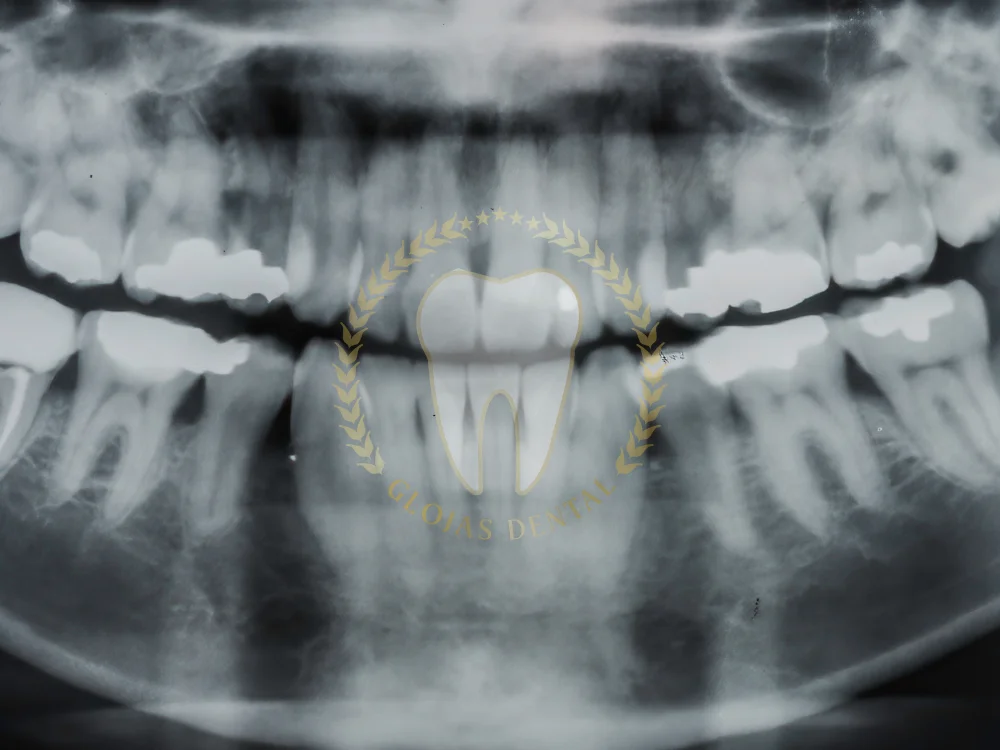
Why is Canine Impacted Tooth Surgery Necessary?
Delaying treatment for an impacted canine can lead to complications such as:
- Damage to adjacent teeth or roots
- Increased risk of cysts or infections
- Misalignment of other teeth
- Aesthetic concerns like gaps or irregularities in the smile
Undergoing canine impacted tooth surgery ensures that these issues are addressed proactively, improving both oral function and appearance.
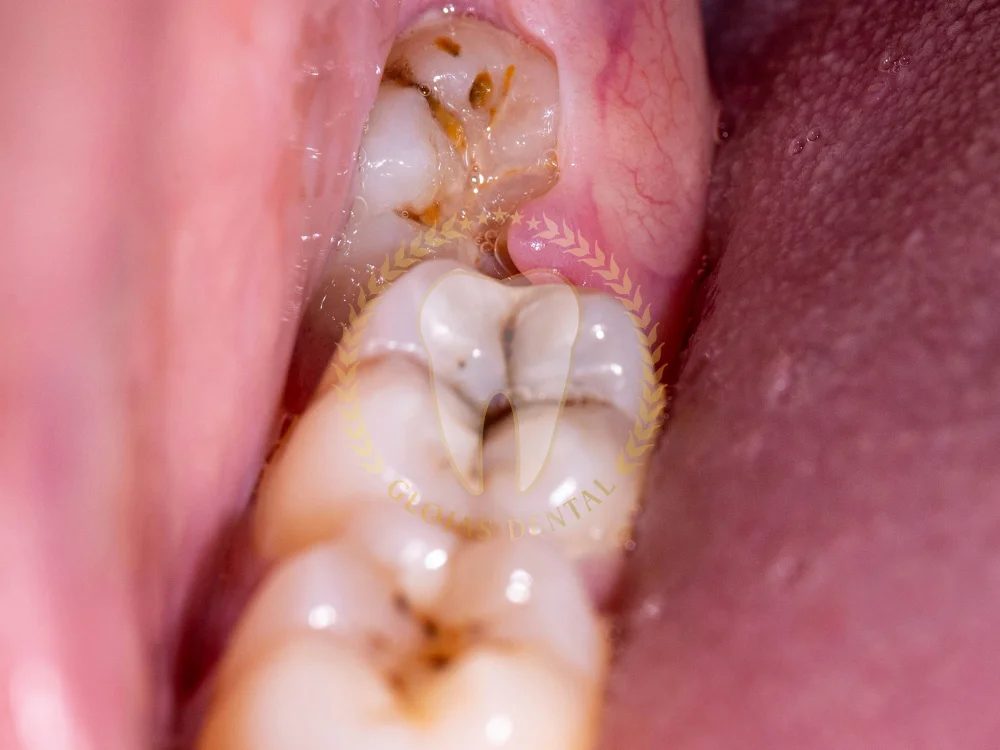
The Steps of Canine Impacted Tooth Surgery
Understanding the surgical process can help ease anxiety and prepare you for the procedure. Here’s a breakdown of the typical steps:
1. Pre-Surgical Assessment
Before surgery, your dentist or oral surgeon will:
- Take X-rays or a 3D CT scan to locate the impacted tooth.
- Assess surrounding structures like nerves and sinuses.
- Discuss treatment plans and outcomes.
2. Anesthesia Administration
Most canine surgeries are performed under local or general anesthesia, ensuring a pain-free experience.
3. Creating an Incision
The surgeon will create a small incision in the gum tissue to expose the impacted canine.
4. Tooth Exposure or Extraction
Depending on the tooth’s position, it may be guided into place using orthodontic techniques or extracted if retention is not feasible.
5. Suturing the Area
The incision is closed with sutures, and follow-up appointments are scheduled to monitor healing.
How to Prepare for Canine Impacted Tooth Surgery
Proper preparation ensures a smoother surgical experience:
- Follow dietary restrictions: Avoid eating or drinking for a specified time before surgery.
- Inform your surgeon of medications: Share any prescriptions or supplements you take.
- Arrange for post-surgery care: Have someone accompany you to and from the appointment.
Recovery After Canine Impacted Tooth Surgery
Post-operative care is critical to avoid complications and ensure speedy healing.
1. Managing Pain and Swelling
- Use prescribed pain medications or over-the-counter options like ibuprofen.
- Apply ice packs to reduce swelling during the first 24-48 hours.
2. Maintaining Oral Hygiene
- Avoid brushing near the surgical site for the first few days.
- Rinse gently with a saline solution or a dentist-recommended mouthwash.
3. Eating Soft Foods
Stick to soft, non-spicy foods like yogurt, mashed potatoes, and smoothies during the recovery period.
Orthodontic Considerations for Impacted Canines
In many cases, canine impacted tooth surgery is paired with orthodontic treatments. These include:
- Braces or aligners to create space for the tooth.
- Attachment placement: A bracket or chain may be attached to the tooth during surgery, facilitating its movement into place.
Combining surgical and orthodontic approaches ensures long-term success and prevents the recurrence of alignment issues.
Potential Risks of Canine Impacted Tooth Surgery
Like any surgical procedure, canine tooth surgery carries some risks:
- Infection at the surgical site
- Temporary numbness due to nerve involvement
- Sinus complications (rare, but possible with upper canines)
Discuss these risks with your oral surgeon and follow post-operative guidelines to mitigate potential issues.
Cost of Canine Impacted Tooth Surgery
The cost of canine impacted tooth surgery in Malaysia varies depending on several important factors, including the complexity of the impaction, whether the tooth is positioned deep within the jawbone, the type of anesthesia required, and the experience of the oral surgeon.
On average, patients can expect to pay between RM1,500 and RM6,000 per tooth for surgical exposure or removal of an impacted canine.
Factors That Influence the Cost:
Position of the impacted tooth (palatal, labial, or deeply embedded)
Need for 3D imaging (CBCT scans)
Type of anesthesia (local anesthesia vs. sedation)
Hospital vs. clinic setting
Surgeon’s qualifications and experience
If orthodontic treatment is required to guide the exposed canine into alignment, braces or aligners will add to the total cost. Comprehensive orthodontic treatment in Malaysia typically ranges from RM6,000 to RM20,000, depending on case complexity and treatment duration.
While the upfront cost may seem significant, early treatment helps prevent complications such as damage to adjacent teeth, cyst formation, or prolonged orthodontic problems — which could lead to higher expenses later.
It’s always advisable to schedule a consultation for a personalized assessment and detailed treatment quotation tailored to your specific case.
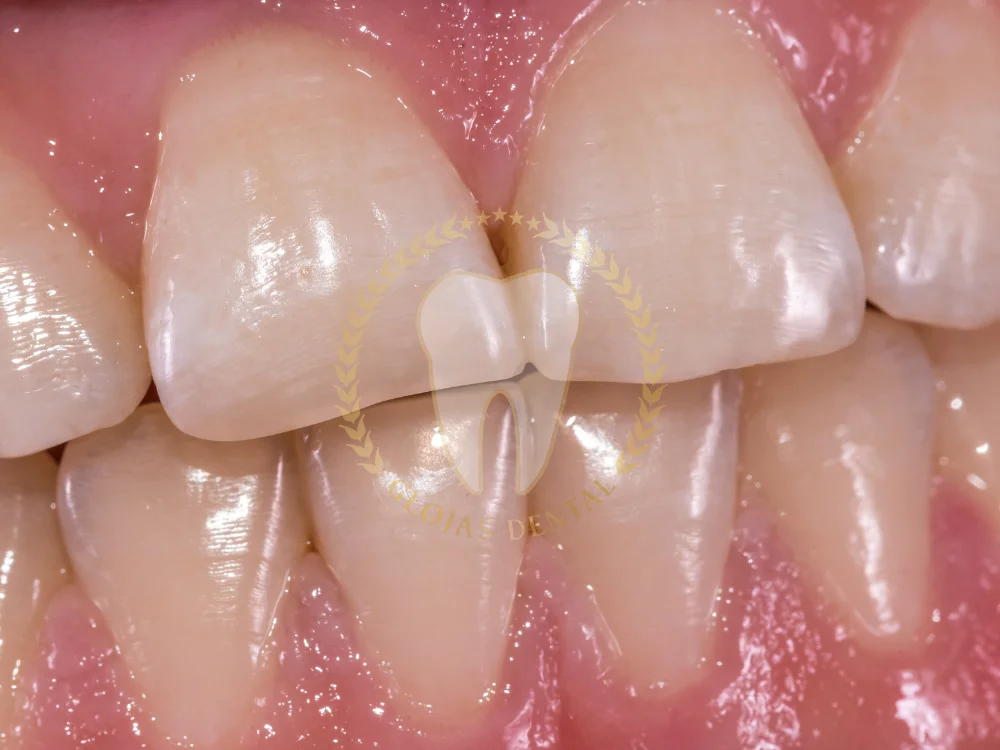
Canine Impacted Tooth Surgery and Aesthetic Benefits
Beyond functional advantages, addressing impacted canines improves smile symmetry and facial aesthetics. Correct alignment can enhance your confidence and make daily interactions more enjoyable.
FAQs About Canine Impacted Tooth Surgery
1. What causes a canine tooth to become impacted?
Impacted canines often result from a lack of space in the dental arch, improper tooth angulation, or genetic predisposition.
2. Is canine impacted tooth surgery painful?
No, the procedure is performed under anesthesia to ensure a pain-free experience. Some discomfort may occur during recovery, which can be managed with medication.
3. How long does it take to recover from canine impacted tooth surgery?
Recovery typically takes 1-2 weeks, with complete healing occurring over several months. Following aftercare instructions is crucial for a smooth recovery.
4. Can an impacted canine be corrected without surgery?
In some cases, orthodontic treatments alone may guide an impacted canine into place. However, surgery is often required if the tooth is deeply embedded.
5. What are the signs of an impacted canine tooth?
Symptoms include swelling, pain, difficulty chewing, or noticeable gaps in the dental arch.
6. How can I prevent canine tooth impaction in my child?
Regular dental check-ups and early intervention with orthodontics can prevent or minimize the risk of canine impaction.
7. At what age is canine impacted tooth surgery usually performed?
Impacted canines are commonly diagnosed during the teenage years, typically between ages 11 and 14, when permanent canines are expected to erupt. Early detection through dental X-rays allows timely treatment planning.
8. How is an impacted canine diagnosed?
Diagnosis usually involves a clinical examination and dental imaging such as panoramic X-rays or a 3D CBCT scan. These help determine the exact position of the impacted tooth and the best surgical approach.
9. What happens during canine impacted tooth surgery?
The procedure involves exposing the impacted tooth by gently lifting the gum tissue. In many cases, an orthodontic bracket is attached to guide the tooth into its proper position over time.
10. Is orthodontic treatment required after surgery?
Yes, most patients need braces to gradually move the exposed canine into alignment. Surgery and orthodontics typically work together for successful results.
11. What are the risks of leaving an impacted canine untreated?
If left untreated, an impacted canine may cause crowding, damage to adjacent teeth, cyst formation, infection, or bite problems. Early treatment helps prevent these complications.
12. Are there any risks associated with canine impacted tooth surgery?
As with any surgical procedure, there are minor risks such as swelling, bleeding, infection, or temporary discomfort. Serious complications are rare when performed by an experienced dental surgeon.
13. How long does orthodontic alignment take after surgery?
The timeline varies depending on the tooth’s position, but orthodontic traction typically takes several months to over a year to fully align the canine.
14. Will there be visible scarring after surgery?
Since the procedure is performed inside the mouth, visible scarring is generally not a concern.
15. Is canine impacted tooth surgery covered by insurance?
Coverage depends on the insurance plan and whether the procedure is considered medically necessary. It’s best to consult your insurance provider for specific details.
Conclusion
Canine impacted tooth surgery is a common dental procedure that can effectively address the issue of impacted teeth. By undergoing this procedure, you can prevent a range of dental complications, including pain, infection, and damage to adjacent teeth. It’s important to consult with a qualified oral surgeon to determine the best course of action for your specific situation. By addressing impacted teeth promptly, you can safeguard your oral health and enjoy a lifetime of healthy, beautiful smiles.