
A chipped tooth can be an unexpected and unpleasant surprise. Whether it happens while biting down on something hard, playing sports, or after a minor accident, a chipped tooth can affect your smile, confidence, and oral health. Fortunately, modern dentistry offers several safe and effective ways to repair a chipped tooth and restore your smile.
In this article, we’ll explore the causes of a chipped tooth, treatment options, and preventive measures to keep your teeth strong and healthy. We’ll also address some commonly asked questions to help you better understand how to manage and treat this dental issue.
What is a Chipped Tooth?
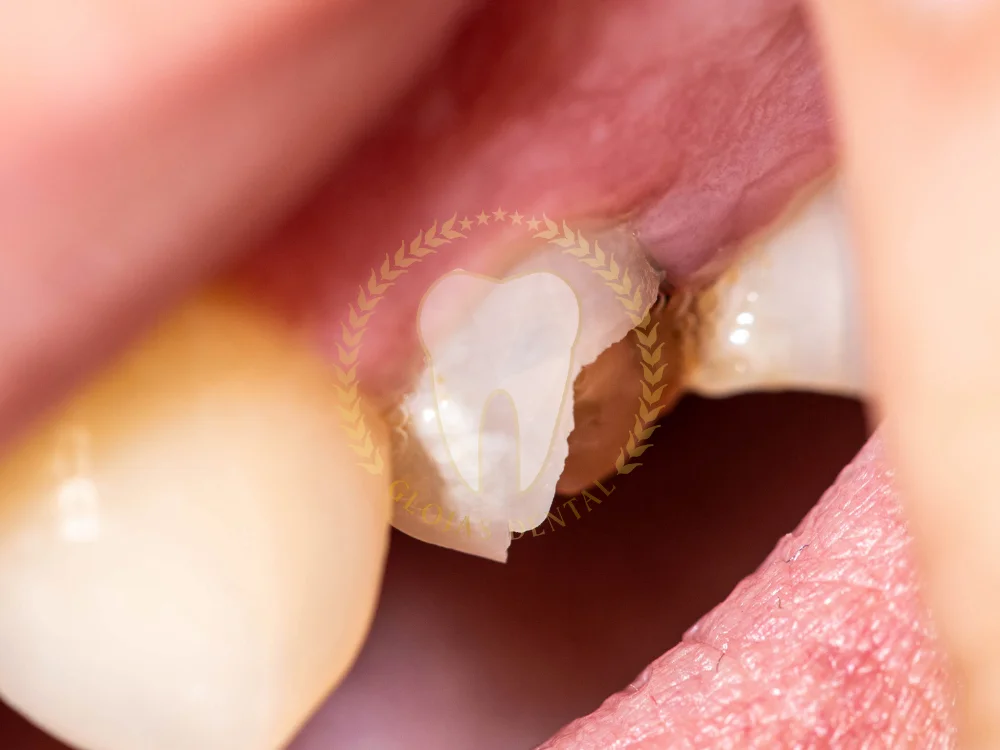
A chipped tooth refers to a tooth with a broken, fractured, or worn-off piece, usually caused by external force, decay, or excessive pressure. Although enamel is one of the hardest substances in the body, it’s not indestructible. A chipped tooth can range from a small cosmetic issue to a serious dental concern if the fracture exposes sensitive inner tooth layers.
Common Signs and Symptoms of a Chipped Tooth
If you suspect you’ve chipped a tooth, look out for the following symptoms:
- Sharp edges on the affected tooth.
- Pain or sensitivity when chewing, biting, or drinking hot/cold beverages.
- A visible crack or missing fragment of the tooth.
- Tongue irritation due to rough surfaces.
Early detection is crucial, as ignoring a chipped tooth can worsen the problem and potentially lead to infections or further damage.
What Causes a Chipped Tooth?
A chipped tooth can happen suddenly or develop gradually over time. While some causes are accidental, others are linked to long-term wear and tear. Understanding the underlying reasons can help you protect your teeth and reduce the risk of future damage.
1. Biting on Hard Foods
Chewing hard items like ice cubes, hard candies, nuts, or unpopped popcorn kernels places intense pressure on your teeth. Even healthy enamel has limits. Repeated stress from hard foods can create tiny cracks that eventually lead to visible chips.
Using your teeth to open packaging or bottles can also cause sudden fractures.
2. Trauma or Accidents
Physical impact is one of the most common causes of chipped teeth. This may include:
Sports injuries
Falls
Car accidents
Being hit in the face
Without protective gear such as a mouthguard during contact sports, teeth are vulnerable to direct impact. Even a seemingly minor bump can result in a noticeable chip.
3. Teeth Grinding (Bruxism)
Chronic teeth grinding or clenching—also known as bruxism—gradually wears down enamel. Many people grind their teeth during sleep without realizing it. Over time, this constant pressure weakens the tooth structure, making it more likely to chip.
Signs of bruxism may include:
Jaw soreness
Morning headaches
Flattened or worn teeth
Increased tooth sensitivity
A custom night guard can help reduce the risk of damage.
4. Cavities and Tooth Decay
Tooth decay weakens enamel by eroding its protective outer layer. When a tooth is compromised by cavities, it becomes brittle and more prone to cracking or chipping—even during normal chewing.
Untreated decay can also spread deeper into the tooth, increasing the risk of larger fractures that require more complex treatment.
5. Poor Oral Hygiene
Neglecting daily brushing and flossing allows plaque and bacteria to accumulate. Over time, this can lead to enamel erosion, gum disease, and weakened tooth structure.
Weak teeth are significantly more likely to chip under pressure.
Maintaining proper oral hygiene and scheduling regular dental check-ups can help keep your enamel strong and reduce the risk of chipping.
Top 5 Treatments for a Chipped Tooth
Fortunately, dentists offer various effective treatments to fix a chipped tooth based on the severity of the damage.
Dental Bonding
Dental bonding is ideal for small chips or cosmetic fixes. The dentist uses a tooth-colored composite resin to restore the shape and appearance of the tooth.
- Quick and painless procedure.
- Affordable option for minor repairs.
- Results can last several years with proper care.
Dental Veneers
Veneers are thin, custom-made porcelain shells that cover the front surface of the tooth to conceal chips or cracks.
- Excellent for cosmetic improvements.
- Durable and stain-resistant.
- Suitable for visible front teeth.
Dental Crowns
For larger chips, a dental crown (cap) can restore the tooth’s function and structure. Crowns are custom-made to fit over the damaged tooth.
- Ideal for severe fractures.
- Provides long-lasting protection.
- Enhances appearance and functionality.
Root Canal Treatment
If the chip exposes the tooth’s inner pulp, it may lead to pain or infection. A root canal removes the damaged pulp and seals the tooth with a crown.
- Prevents infection and tooth loss.
- Restores full tooth function.
Tooth Contouring and Reshaping
Minor chips can sometimes be smoothed out with contouring or reshaping. The dentist gently polishes and reshapes the tooth to restore its smooth appearance.
- Quick and non-invasive procedure.
- Suitable for very small chips.
How to Prevent a Chipped Tooth
Prevention is always better than cure. Follow these tips to protect your teeth from chipping:
Wear a Mouthguard During Sports
If you play contact sports, wear a custom-fitted mouthguard to shield your teeth from trauma.
Avoid Chewing on Hard Objects
Avoid habits like chewing ice, pens, or biting hard candies that can damage your enamel.
Address Teeth Grinding
If you grind your teeth at night, consult your dentist about using a nightguard to protect against enamel wear.
Maintain Good Oral Hygiene
Brushing and flossing daily, combined with regular dental checkups, keep your teeth strong and free of decay.
Avoid Using Teeth as Tools
Never use your teeth to open bottles, tear packaging, or cut objects. Such practices can lead to unnecessary damage.
When to See a Dentist for a Chipped Tooth
If you notice a chipped tooth, it’s essential to visit your dentist as soon as possible. Even minor chips can escalate into bigger issues if left untreated. Prompt treatment ensures the best possible outcome and prevents further damage or discomfort.
What to Expect During Your Dental Visit
- Examination: The dentist will assess the severity of the chip.
- Treatment Options: Based on the extent of the damage, the dentist will recommend suitable treatment (e.g., bonding, veneers, crowns).
- Follow-up Care: Your dentist will provide tips to maintain the repair and prevent future chips.
FAQs About Chipped Teeth
1. What should I do immediately after chipping a tooth?
Rinse your mouth with warm water, and if there’s bleeding, apply gauze. Use a cold compress to reduce swelling and contact your dentist immediately.
2. Is a chipped tooth an emergency?
While minor chips may not require immediate attention, severe chips causing pain, bleeding, or sensitivity need urgent dental care.
3. Can a chipped tooth repair itself?
No, a chipped tooth cannot heal on its own. Dental intervention is necessary to repair the damage.
4. How much does it cost to fix a chipped tooth?
The cost depends on the treatment. Bonding is the most affordable, while veneers and crowns may be pricier. Consult your dentist for an accurate estimate.
5. How long does it take to fix a chipped tooth?
Most procedures, like bonding or contouring, can be done in a single visit, while treatments like veneers or crowns may require multiple visits.
6. Will fixing a chipped tooth hurt?
No, most procedures are painless. Your dentist may use local anesthesia if needed to ensure comfort during the treatment.
7. What causes a tooth to chip?
Teeth can chip due to accidents, biting hard foods (like ice or nuts), sports injuries, teeth grinding (bruxism), or weakened enamel from decay. Even minor trauma can cause chipping if the tooth structure is already compromised.
8. Can a small chipped tooth become worse if left untreated?
Yes. Even a minor chip can weaken the tooth structure, making it more vulnerable to further damage, sensitivity, or infection. Early treatment helps prevent complications.
9. What are the treatment options for a chipped tooth?
Treatment depends on the severity and may include:
Dental bonding
Tooth contouring
Veneers
Dental crowns
Root canal treatment (if the pulp is affected)
Your dentist will recommend the best option based on the extent of damage.
10. Is dental bonding durable for chipped teeth?
Dental bonding is a reliable solution for minor chips and can last several years with proper care. However, it may stain over time and is not as strong as a crown or veneer.
11. Can I eat normally after fixing a chipped tooth?
In most cases, yes. However, you should avoid very hard or sticky foods immediately after treatment. Long term, it’s best to avoid habits like chewing ice or biting hard objects.
12. How can I prevent chipping my teeth again?
You can reduce the risk by:
Wearing a mouthguard during sports
Using a night guard if you grind your teeth
Avoiding chewing hard items
Maintaining regular dental check-ups
13. Does a chipped tooth always cause pain?
Not necessarily. Small chips may be painless, while deeper chips that expose dentin or pulp can cause sensitivity or sharp pain.
14. Can children get chipped teeth, and is the treatment different?
Yes, children commonly chip their teeth due to falls or sports injuries. Treatment depends on whether it’s a baby tooth or permanent tooth. A dentist will assess the situation and recommend appropriate care.
Conclusion
A chipped tooth can affect both your smile and oral health, but modern dentistry offers a variety of safe and effective solutions to restore your teeth quickly. From dental bonding to veneers and crowns, there’s a treatment for every level of damage. By taking preventive measures like wearing mouthguards, avoiding hard foods, and maintaining good oral hygiene, you can protect your teeth from future chips.
If you experience a chipped tooth, don’t delay—consult your dentist to determine the best course of action and restore your confident smile.