
When it comes to dental health, molar removal is one of the most common procedures that people undergo. Whether it’s due to impacted wisdom teeth or decayed molars, this procedure can feel daunting. By understanding the essentials of molar removal, you’ll be better prepared and less anxious. Let’s explore everything you need to know about molar removal, from preparation to recovery.
By understanding the potential reasons for molar removal, individuals can better comprehend the necessity of the procedure and approach it with a more informed perspective.
What is Molar Removal?
Molar removal refers to the extraction of one or more molars—teeth located at the back of your mouth. These teeth often bear the brunt of chewing and can become problematic due to decay, misalignment, or overcrowding. Molar removal is a common dental procedure that can be performed safely and effectively by a qualified dentist. If you have any concerns about your molars or require a molar extraction, consult with your dentist for personalized advice and treatment.
Why is Molar Removal Necessary?
The procedure is often required when:
- Wisdom teeth grow improperly and become impacted.
- Severe decay or infection compromises the tooth.
- Overcrowding affects orthodontic alignment.
- A fractured molar is beyond repair.
The decision to remove a molar is typically made by a dentist or oral surgeon after thorough examination and imaging.
Preparing for Molar Removal
Before undergoing molar removal, preparation is key to ensuring a smooth procedure and recovery.
Consultation and Diagnosis
A consultation with your dentist or oral surgeon will involve:
- X-rays to assess the molar’s position and root structure.
- Discussion of medical history to ensure safe anesthesia.
- Recommendations for aftercare based on your oral health.
Steps to Prepare for Surgery
- Fast Before Surgery: Avoid eating or drinking for at least 8 hours if general anesthesia is involved.
- Arrange Transportation: Plan for someone to drive you home post-procedure.
- Stock Recovery Supplies: Ice packs, soft foods, and prescribed medications should be ready.
What Happens During Molar Removal?
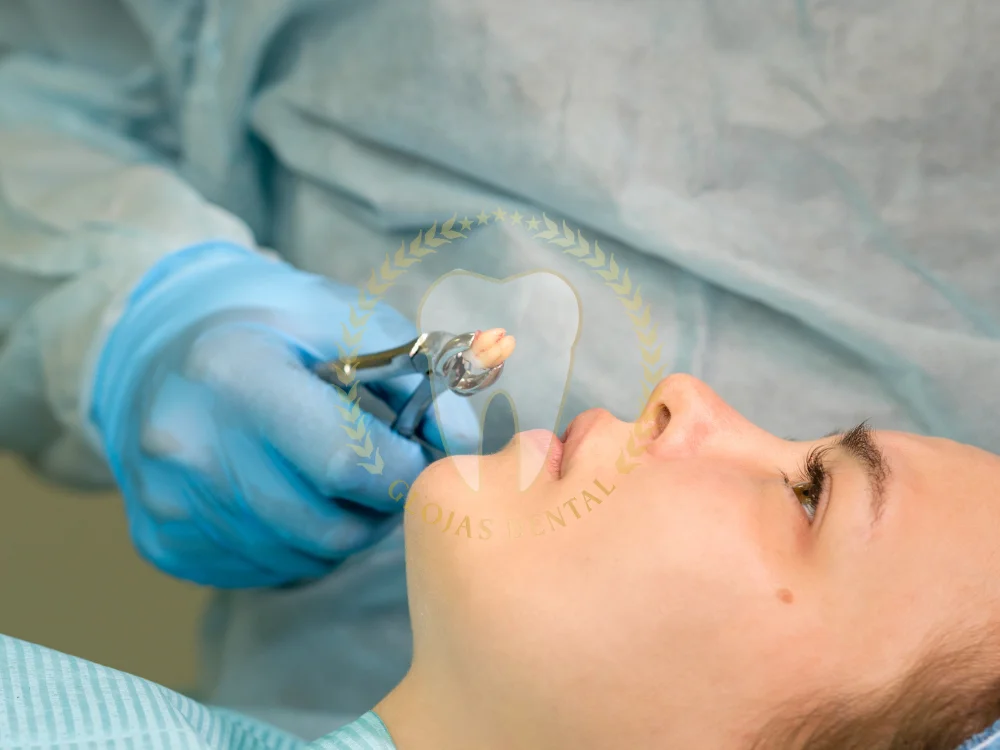
Molar removal varies based on the complexity of the extraction. Here’s a breakdown of what to expect:
The Procedure
- Local or General Anesthesia: Numbs the area or induces sleep during the procedure.
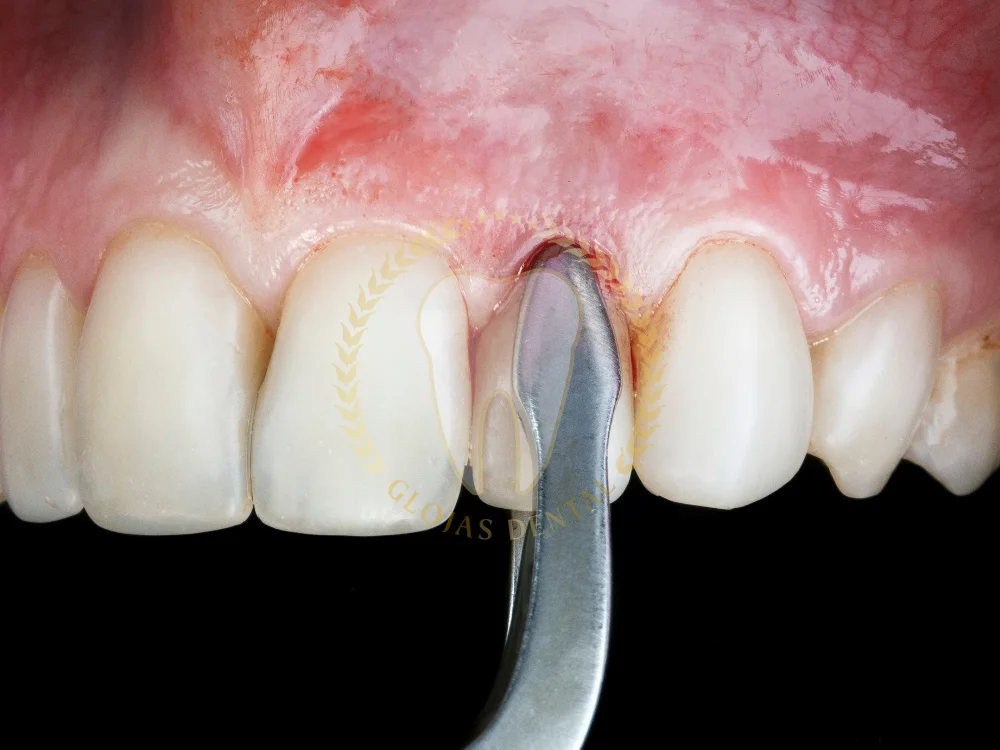
- Incision and Extraction: For simple extractions, the dentist will loosen and remove the tooth. For surgical extractions, an incision in the gum may be needed to access the molar.
- Closure: Stitches may be used to seal the incision and promote healing.
Duration and Pain Management
The procedure usually takes 20 to 60 minutes. While discomfort is normal, pain is managed effectively with anesthesia during the procedure and prescribed painkillers afterward.
Recovery and Aftercare Tips
The recovery phase is crucial for avoiding complications and ensuring proper healing.
Immediate Post-Procedure Care
- Apply Ice Packs: Reduce swelling by applying ice packs to the cheek for 15-minute intervals.
- Rest: Limit physical activity for the first 24 hours.
- Avoid Spitting or Rinsing: This prevents dislodging the clot that forms in the socket.
Dos and Don’ts for Faster Recovery
Do:
- Rinse gently with salt water after 24 hours.
- Eat soft foods like yogurt, mashed potatoes, and soups.
- Take prescribed medications on time.
Don’t:
- Smoke or use straws, as these actions can cause dry socket.
- Consume hard or spicy foods.
- Skip dental follow-ups.
Complications and How to Avoid Them
Though molar removal is safe, some risks include:
Dry Socket
Occurs when the clot dislodges, exposing the bone and causing pain. Prevent by following aftercare instructions.
Infection
Rare but possible. Signs include fever, persistent swelling, or foul odor. Always follow antibiotic prescriptions if given.
Nerve Damage
Very rare, but potential with lower molars near nerves. Your surgeon will discuss this risk beforehand.
Costs and Insurance Coverage for Molar Removal
The cost of molar removal in Malaysia depends on several factors, including the complexity of the case, the clinic’s location, and whether the procedure is performed by a general dentist or an oral and maxillofacial surgeon.
Average Cost
Here’s a general estimate of private clinic fees:
Simple extraction: RM150 – RM400 per tooth
(For fully erupted molars without complications)Surgical extraction: RM600 – RM1,500 per tooth
(For impacted, partially erupted, or broken molars requiring minor surgery)
In major cities like Kuala Lumpur, fees may be on the higher end due to operational costs and specialist involvement. If the procedure is performed by a specialist in oral surgery, professional fees may increase accordingly.
Note: Prices may vary depending on X-rays required, medication, and follow-up visits.
What Affects the Cost?
Several factors influence the final bill:
Tooth condition (impacted, infected, broken)
Need for surgical procedure
Type of anesthesia used
Clinic location
Experience and qualification of the dentist or specialist
Additional procedures (such as stitches or bone smoothing)
A consultation and dental X-ray are usually required before a final quotation is given.
Insurance Coverage
Many dental insurance plans in Malaysia provide partial coverage for tooth extraction, especially when it is medically necessary.
1. Coverage Percentage
Most dental insurance policies categorize extractions as:
Basic procedures (for simple extractions)
Major procedures (for surgical extractions)
Coverage typically ranges from 50% to 80%, depending on your plan, after deductibles are met.
2. Deductibles and Copayments
Deductible:
The amount you must pay out-of-pocket before insurance starts covering the cost.Copayment (Copay):
A fixed amount or percentage you pay per visit, even after your deductible has been met.
3. Annual Maximum Limits
Most dental insurance policies have an annual maximum benefit limit (for example, RM2,000 – RM5,000 per year).
Once this limit is reached, you will need to cover any additional treatment costs yourself.
4. Waiting Periods
Some insurance providers impose a waiting period before you can claim for major dental treatments such as surgical molar removal. This waiting period may range from:
3 months
6 months
Up to 12 months
Emergency extractions due to infection or severe pain may sometimes be treated differently, depending on your policy.
Government Clinic vs Private Clinic Costs
In Malaysia, government dental clinics may offer lower fees (especially for citizens), but waiting times can be longer. Private clinics provide faster appointments and more flexible scheduling but at higher costs.
Important: Review Your Policy Carefully
Before proceeding with treatment, it’s essential to:
Check your coverage percentage
Confirm your remaining annual limit
Understand your deductible and copay
Verify if there is any waiting period
If you’re unsure, contact your insurance provider or ask your dental clinic to help verify your benefits.
Frequently Asked Questions FAQs
1. What is the recovery time for molar removal?
Recovery usually takes 7 to 10 days. However, complete healing of the socket may take several weeks.
2. Can I eat after molar removal?
You can eat soft foods within a few hours post-surgery, but avoid hard or chewy foods for a few days.
3. Is molar removal painful?
Anesthesia ensures a pain-free procedure. Post-surgery, discomfort is manageable with prescribed medications.
4. What is a dry socket, and how can I avoid it?
A dry socket is a painful condition where the clot dislodges from the extraction site. Avoid smoking, using straws, and rinsing vigorously to prevent it.
5. Do I need all my wisdom teeth removed?
Not always. Wisdom teeth are removed only if they cause problems like impaction, decay, or overcrowding.
6. When should I call my dentist after molar removal?
Contact your dentist if you experience severe pain, swelling, fever, or prolonged bleeding beyond 24 hours.
7. How long does the molar removal procedure take?
A simple molar extraction usually takes 20–40 minutes. Surgical extractions, such as impacted wisdom teeth, may take longer depending on complexity.
8. Can I brush my teeth after molar removal?
Yes, but avoid the extraction site for the first 24 hours. After that, brush gently and be careful around the area to prevent disturbing the blood clot.
9. Will I need stitches after molar removal?
In some cases, especially surgical extractions, dissolvable stitches may be placed to help with healing. These typically dissolve within 7–14 days.
10. Can I return to work or school the next day?
Many patients can resume light activities the following day. However, if the extraction was complex, you may need 1–2 days of rest.
11. Is swelling normal after molar removal?
Yes, mild to moderate swelling is common for the first 2–3 days. Applying an ice pack in the first 24 hours can help reduce swelling.
12. Can molar removal affect nearby teeth?
When performed properly, molar removal should not harm surrounding teeth. Your dentist will take X-rays beforehand to plan the procedure carefully.
13. What medications are usually prescribed after molar removal?
Dentists typically prescribe pain relievers and, in some cases, antibiotics to prevent infection—especially after surgical extractions.
14. How do I know if the extraction site is healing properly?
Normal healing includes mild discomfort, slight swelling, and gradual improvement each day. If pain worsens instead of improving, consult your dentist.
Conclusion
Molar removal is a routine yet significant dental procedure that ensures long-term oral health. By understanding the steps involved, preparing adequately, and following aftercare tips, you can make the experience less intimidating and recover quickly. Always consult your dentist for personalized advice tailored to your needs.
By consulting with your dentist, you can discuss the specific reasons for your molar extraction, understand the procedure, and develop a personalized recovery plan. Following your dentist’s instructions regarding post-operative care, such as proper oral hygiene, pain management, and dietary restrictions, will significantly contribute to a smooth and successful recovery.