

A permanent retainer is a wire fixed behind your teeth to keep them in place after orthodontic treatment. Unlike removable retainers, it’s designed to stay in your mouth, offering long-term stability. It’s a convenient, discreet way to prevent your teeth from shifting. Learn more about its benefits, care, and when it’s recommended.
What is a Permanent Retainer?
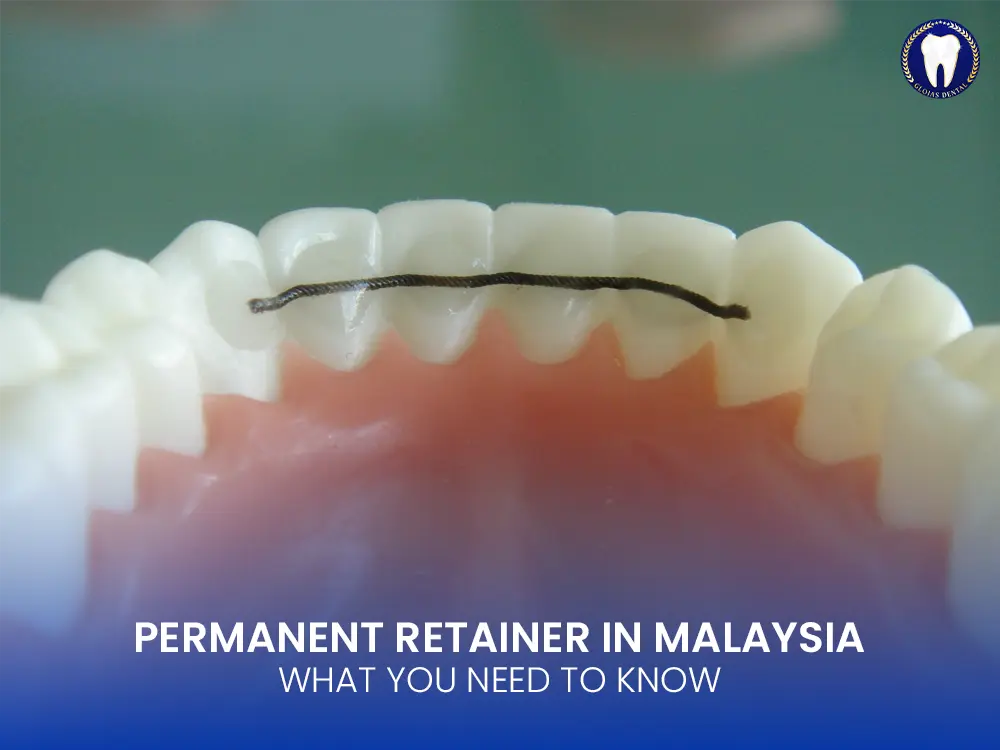
A permanent retainer is a small wire that’s glued to the back of your teeth. It’s usually placed on the bottom front teeth, but it can also go on the upper teeth if needed. The main job of a permanent retainer is to keep your teeth from moving after you’ve finished with braces or clear aligners.
Unlike removable retainers, a permanent retainer stays in your mouth all the time. This makes it more reliable because you don’t have to remember to put it in or take it out. It helps keep your teeth in the right position for as long as you need.
Benefits of a Permanent Retainer
Keeps Teeth Stable Long-Term
A permanent retainer offers a long-lasting solution for keeping your teeth aligned. Once it’s in place, you don’t have to worry about your teeth shifting back. This makes it especially helpful for people in Malaysia who’ve just finished orthodontic treatment and want to keep their smile in shape.Discreet and Low Maintenance
Since the wire is attached to the back of your teeth, no one will notice it. This makes it a great option if you prefer something that’s not visible. It’s also easier to manage because you don’t need to take it out every day. Just keep up with your regular brushing and flossing routine.Reduces the Risk of Teeth Shifting
After braces, many people experience some shifting of the teeth. A permanent retainer helps prevent this, especially for those who may be more likely to have teeth relapse. It offers peace of mind by securing your teeth in their new positions.Convenient for Busy People
If you have a hectic lifestyle, a permanent retainer is a great choice. You won’t need to worry about taking it in and out, which can be time-consuming. Just make sure you clean your teeth well, and the retainer will do its job.
How Does a Permanent Retainer Work?
A permanent retainer is a thin wire that’s bonded to the back of your teeth. It gently holds your teeth in place, stopping them from shifting. The retainer stays in place for as long as your orthodontist recommends.
It’s mostly used on the lower front teeth, but it can also be placed on the upper teeth. The process is quick and simple, and it’s not painful. Once it’s in place, you don’t need to think about it—just continue with your usual oral care routine.
How Long Should You Wear a Permanent Retainer?
The length of time you need a permanent retainer depends on your teeth and your treatment. Some people in Malaysia may only need it for a few years, while others might need it for life to ensure their teeth stay in the right spot. Your orthodontist will tell you how long you should wear it, based on how your teeth respond.
Can a Permanent Retainer Be Removed?
Yes, a permanent retainer can be removed if needed, but only by a dentist or orthodontist. Over time, the retainer may wear out, or you might experience discomfort. If this happens, your dentist can remove it and replace it if necessary.
Caring for Your Permanent Retainer
Brush and Floss Every Day
Even though the retainer is fixed, you still need to brush and floss your teeth. This helps avoid plaque buildup and keeps your gums healthy. Use a soft toothbrush and fluoride toothpaste, and try using a floss threader to get between the wire and your teeth.Avoid Sticky or Hard Foods
Sticky foods like gum, caramel, or toffee can get stuck to your retainer and be hard to clean. Hard foods like nuts or crunchy candies could damage the wire. Be careful and try to eat softer foods to keep your retainer intact.See Your Dentist Regularly
Make sure to visit your dentist for regular check-ups. They will check that your retainer is still in good shape and ensure it’s working as it should. If there’s a problem, your dentist will fix it right away.Watch for Discomfort
If the retainer starts to feel loose or uncomfortable, talk to your dentist. It’s important to get it checked as soon as possible so it doesn’t affect your teeth alignment.
Risks and Considerations of Permanent Retainers
Permanent retainers are a great option, but there are a few things to keep in mind:
Cleaning Can Be Challenging: Since the wire is fixed in place, it can be trickier to clean around it. Make sure you brush and floss regularly to avoid plaque buildup and gum issues.
Possible Gum Irritation: If the retainer isn’t cleaned properly, plaque can build up around it, leading to gum problems like irritation or swelling.
Wire Can Break: The wire could break or come loose over time. If this happens, don’t wait—see your dentist to get it repaired or replaced.
Speech Changes: You might have a slight speech change when the retainer is first placed, but this usually goes away as you get used to it.
FAQ: Permanent Retainer
Q1: Does a permanent retainer hurt?
A: No, a permanent retainer should not cause pain. You may feel slight discomfort when it’s first placed, but that usually goes away. If you have persistent pain, see your dentist.
Q2: Can I eat with a permanent retainer?
A: Yes, you can eat with it in place. However, avoid sticky or hard foods, as they can damage the retainer or make cleaning harder.
Q3: How do I clean my permanent retainer?
A: Brush your teeth twice a day and use a floss threader to clean around the wire. Make sure to visit your dentist regularly for professional cleanings.
Q4: How long does a permanent retainer last?
A: Permanent retainers can last many years, but they may need replacing if they wear out or break. Regular check-ups will help monitor its condition.
Q5: Can a permanent retainer cause gum problems?
A: If not cleaned properly, a permanent retainer can cause plaque buildup, leading to gum irritation. Be sure to brush and floss carefully to prevent this.
Q6: Is a permanent retainer necessary after braces?
A: Many people in Malaysia are advised to get a permanent retainer after braces to keep their teeth in place. Your orthodontist will recommend this based on your individual treatment.