Self-ligating braces use a built-in clip to hold the wire, reducing friction and sometimes shortening treatment. Traditional braces use elastic bands and are proven effective for all bite types. Both straighten teeth safely—your choice depends on comfort, hygiene, treatment speed, and budget.
How Braces Work

Braces gently move teeth using pressure over time. Brackets are bonded to teeth, and archwires guide them into place. The type of braces affects comfort, cleaning, and treatment speed.
Why it matters: Knowing the mechanics helps you understand differences in pain, hygiene, and visits.
Traditional Braces: Mechanics & Benefits

Traditional braces attach brackets to each tooth. Elastic bands (ligatures) hold the wire in place. They require regular tightening to shift teeth gradually.
Pros:
Proven results for all bite types
Multiple bracket and color options
Usually lower cost
Cons:
Elastic bands can trap food
Slightly longer treatment due to friction
Bracket adjustments every 4–6 weeks
Self-Ligating Braces: Mechanics & Benefits
Self-ligating braces have a small clip instead of elastics. The clip holds the wire and allows teeth to move with less friction. They can be metal or ceramic for a less noticeable look.
Pros:
Potentially faster treatment
Easier cleaning
More comfortable pressure
Cons:
Slightly higher cost
Not all orthodontists offer them
Appearance still visible
Study Evidence: A randomized orthodontic study published in a peer‑reviewed journal found self‑ligating braces led to decreased analgesic use and up to 45% lower peak pain levels in the first treatment week compared to traditional brackets, suggesting real comfort benefits. OrthoCare Journal
Treatment Time Comparison
| Type | Typical Duration | Notes |
|---|---|---|
| Traditional | 18–36 months | Depends on bite complexity |
| Self-Ligating | 12–30 months | Mild to moderate cases may be faster |
Actual time varies by age, bite severity, and compliance.
Comfort & Pain Management
Traditional: Can irritate cheeks and gums; elastics may pinch.
Self-Ligating: Less friction means lighter pressure; still mild soreness is normal after adjustments.
Tips: Use orthodontic wax, soft foods initially, and gentle oral rinses to reduce discomfort.
Oral Hygiene & Cleaning of Self-Ligating vs. Traditional Braces
Brush after every meal
Floss with a threader or water flosser
Avoid sticky, hard, or sugary foods
Attend all orthodontic visits
Self-ligating braces make cleaning easier due to fewer elastics trapping food.
Self-Ligating and Traditional Braces Cost Comparison In Malaysia
| Type | Typical Cost (RM) | Notes |
|---|---|---|
| Traditional Braces (Metal/Conventional) | RM 4,000 – RM 10,000 | Most affordable; varies by clinic & case complexity. |
| Self‑Ligating Braces | RM 7,000 – RM 15,000+ | Uses clip mechanism; usually slightly higher due to tech and fewer visits. |
Notes:
• Prices depend on your specific case, including severity of misalignment, extractions, X‑rays, and retainers.
• Monthly installment plans are often available to spread costs over treatment.
• Government or university clinic braces may be cheaper but often have long waits and eligibility limits.
Self-Ligating vs. Traditional Braces: Who Should Choose Which?
Traditional Braces:
Complex bite cases
Budget-conscious patients
Self-Ligating Braces:
Desire faster treatment
Easier cleaning is important
Comfort-sensitive patients
Decision Tip: Age, bite type, lifestyle, and budget all influence the best choice.
Appearance Considerations
Both types can be metal or clear/ceramic. Self-ligating braces are usually slimmer but still visible. For near-invisible options, consider clear aligners.
Common Myths About Self-Ligating vs. Traditional Braces
Self-ligating braces are invisible: False—they may still be metal or ceramic.
Traditional braces always take longer: Only slightly for some cases.
One type works for everyone: Treatment choice depends on bite, comfort, and lifestyle.
FAQ About Self-Ligating vs. Traditional Braces
Q: Are self-ligating braces less painful than traditional braces?
A: They may cause slightly less pressure and friction, but both types can cause mild soreness after adjustments.
Q: Do self-ligating braces reduce orthodontist visits?
A: Sometimes, fewer adjustments are needed, but routine check-ups remain essential.
Q: Can I switch from traditional to self-ligating mid-treatment?
A: Usually not recommended, as it may complicate treatment and increase cost.
Q: Which braces are better for teens?
A: Both work well. Self-ligating braces may be easier to clean, helpful for teens prone to cavities.
Q: Do insurance plans cover self-ligating braces?
A: Some plans do. Coverage depends on your provider and plan type.
Q: How do I maintain oral hygiene with braces?
A: Brush after every meal, floss carefully, avoid sticky foods, and attend all check-ups. Self-ligating braces make cleaning easier than traditional elastics.
Get RM2,000 Off Invisalign Cost At GLOJAS Dental Clinic

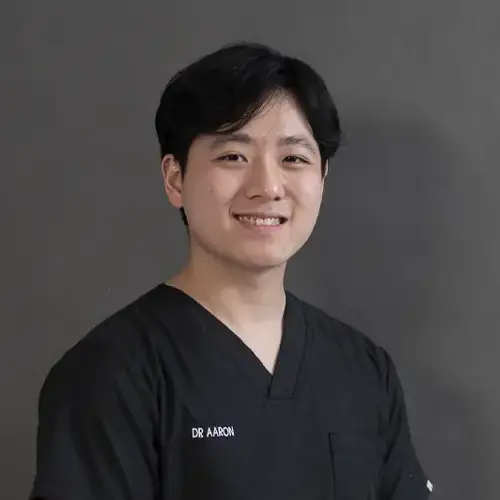
Ready to transform your smile? Book your consultation with Dr. Aaron Ng at GLOJAS Dental Clinic in Desa Sri Hartamas, Kuala Lumpur, and enjoy an exclusive RM 2,000 rebate on your Invisalign treatment.
Expert Care: Dr. Aaron Ng is a certified Invisalign provider specializing in customized, gentle smile transformations.
Advanced Tech: See your future smile in 3D using our advanced intraoral scanners before you even begin.
Flexible Payments: Easy 0% installment plans are available to fit your monthly budget.
[Click Here to Book Your Consultation & Claim Your RM2,000 Rebate]
Clinic Address:
B-2, Glomac Galleria, 06, Jalan 26A/70A,
Desa Sri Hartamas, 50480 Wilayah Persekutuan,
Kuala Lumpur, Malaysia.