
Let’s be real—traditional flossing is a chore. Most of us in Malaysia grew up with that tiny plastic box of string that mostly just collects dust in the bathroom cabinet. But there’s a new player in town making a splash (literally): the water flosser. If you’re looking to level up your dental game, here is everything you need to know about water flossing in the Malaysian context.
What Is Water Flossing?
Definition of Water Flosser (Oral Irrigator)
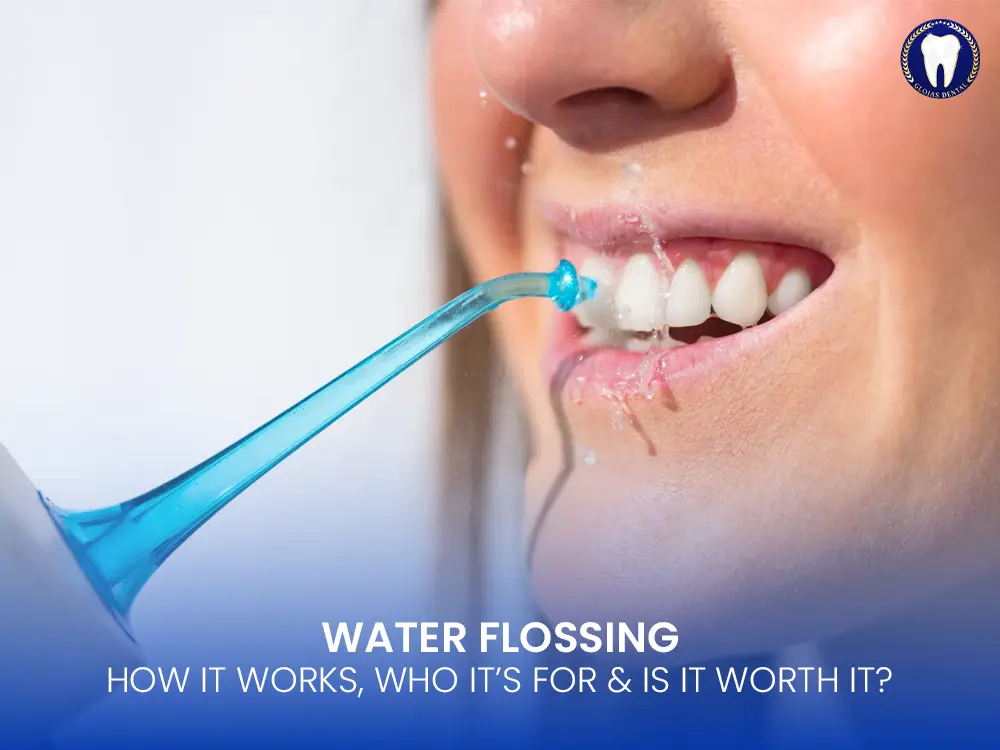
Water flossing uses a pressurized stream of pulsating water to remove plaque and food debris from between teeth and below the gumline. This oral irrigator is a gentle, effective alternative to traditional string floss, especially for those with braces, implants, or gum sensitivity. It improves gingival health and prevents periodontal disease.
How Water Flossing Works
It uses a combination of pressure and pulsation. The pulsing action creates micro-bubbles that help dislodge “biofilm” (that slimy layer of bacteria) and food particles that your toothbrush just can’t reach. It’s particularly effective at flushing out the “sulcus”—the shallow space between your tooth and gum tissue.
Benefits of Water Flossing for Oral Health
Plaque Removal and Gum Health
Plaque is the ultimate enemy of a bright smile. According to the Mayo Clinic, regular flossing is essential to prevent tooth decay and gum disease. Water flossers are incredibly efficient at disrupting this bacterial colony before it hardens into tartar.
Reducing Gingivitis and Gum Bleeding
If your gums bleed when you brush, that’s a red flag for inflammation. Water flossing is clinically proven to reduce the signs of gingivitis by massaging the gum tissue, which increases blood circulation and strengthens your gums over time.
Water Flossing for Bad Breath (Halitosis)
Ever notice a weird smell even after brushing? That’s usually rotting food stuck between teeth. By flushing out these “food traps,” you eliminate the source of the odor-causing bacteria, giving you much fresher breath throughout the day.
Water Flossing vs Traditional Flossing
Effectiveness Comparison
While string floss is great for scraping the sides of teeth, water flossers are often better at reaching deeper pockets. Research suggests that water flossers can be significantly more effective than string floss for reducing gum bleeding and removing plaque.
Which Is Better for Sensitive Gums?
If string floss feels like a cheese wire cutting into your gums, water flossing is your best friend. The water is much gentler, and most devices let you adjust the pressure to a “soft” mode that won’t cause pain.
Can Water Flossing Replace String Floss?
Most Malaysian dentists suggest that while a water flosser is a fantastic tool, it’s a “supplement” rather than a total replacement. However, if you never use string floss, switching to a water flosser is a massive upgrade for your oral hygiene.
Who Should Use Water Flossing?
Water Flossing for Braces and Orthodontics
If you have braces, you know the struggle of threading string floss through wires. It’s a nightmare. Water flossers are a game-changer for orthodontic care, as the water stream can easily navigate around brackets and wires to clear out trapped nasi lemak or boba pearls.
Water Flossing for Dental Implants and Crowns
Implants require meticulous care. Since they don’t have the same natural defenses as real teeth, a water flosser helps keep the surrounding tissue healthy without the risk of scratching the prosthetic material.
Suitable for Gum Disease (Periodontitis) Patients
For those dealing with deep periodontal pockets, a water flosser can reach deeper into those gaps than a standard piece of string ever could, helping to manage the infection.
How to Use a Water Flosser Correctly
Step-by-Step Water Flossing Technique
Fill the reservoir with lukewarm water.
Choose your tip and click it into the handle.
Lean over the sink and place the tip in your mouth.
Close your lips slightly to prevent splashing (keep them open enough for water to flow out).
Aim at the gumline at a 90-degree angle.
Follow the path of your teeth, pausing briefly between each tooth.
Best Time to Use Water Flossing (Before or After Brushing)
It is generally recommended to floss before brushing. This loosens up the debris so your fluoride toothpaste can actually reach the surfaces between your teeth.
Common Mistakes to Avoid
Forgetting to lean over the sink: You will end up soaking your bathroom mirror.
High pressure right away: Start low and work your way up to avoid shocking your gums.
Not emptying the tank: Stagnant water can grow bacteria. Always dry it out!
Types of Water Flossers Available in Malaysia
Countertop Water Flossers
These are the heavy-duty units. They have larger water tanks and more pressure settings. They’re great for families but require a power outlet near your bathroom sink.
Cordless and Portable Water Flossers
The most popular choice in Malaysia. These are rechargeable and handheld. They take up less space on small condo bathroom counters and are easy to handle.
Travel Water Flossers
Collapsible versions of the cordless models. Perfect if you’re heading for a staycation in Penang or a business trip to KK.
Choosing the Best Water Flosser in Malaysia
Key Features to Look For
Look for a high IPX7 waterproof rating, a 360-degree rotating nozzle, and a battery that lasts at least 2 weeks on a single charge.
Pressure Settings and Nozzle Types
Standard tips are for everyone, but look for specialized tips if you have braces (orthodontic tip) or deep pockets (periodontal tip).
Water Flosser Price Range in Malaysia
Entry-level: RM80 – RM150 (Good for beginners).
Mid-range: RM200 – RM400 (Better build quality and battery).
Premium: RM500+ (Brands like Waterpik or Philips with advanced tech).
Is Water Flossing Safe?
Side Effects and Risks
When used correctly, it’s very safe. The only real “risk” is using a setting that is too high, which might cause temporary discomfort or slight bleeding if your gums are already inflamed.
Water Flossing for Children and Elderly
It’s excellent for kids (with supervision) who lack the manual dexterity for string floss, and for seniors who might struggle with arthritis.
When to Consult a Dentist
If your gums continue to bleed after two weeks of consistent water flossing, it’s time to book an appointment with a dentist in Malaysia to check for underlying issues.
Water Flossing for Specific Dental Problems
Water Flossing for Gum Recession
Be gentle here. Use the lowest pressure setting to clean the exposed root area without causing further irritation.
Water Flossing for Food Traps Between Teeth
We’ve all been there—a piece of chicken stuck in the back molar. The concentrated stream of a water flosser is much more effective than a toothpick, which can actually damage your gums.
Water Flossing After Dental Scaling
After a professional cleaning (scaling and polishing), your gums might be sensitive. A water flosser on a “pulse” or “massage” mode can help soothe the area and maintain that “squeaky clean” feeling.
Scientific Evidence and Dentist Recommendations
Clinical Studies on Water Flossing Effectiveness
Dozens of studies show that water flossers are effective at reducing plaque index and gingival inflammation compared to just brushing alone.
Dentist Opinions in Malaysia
Most local practitioners are now recommending water flossers, especially for patients who find string flossing too difficult or time-consuming. It’s all about compliance—the best flossing method is the one you actually do.
Water Flossing FAQs
How Often Should You Use Water Flossing?
Once a day is the golden rule, preferably at night before bed.
Can Water Flossing Cause Gum Damage?
Not if you use it as directed. Avoid pointing the tip directly into deep gum pockets on high pressure unless instructed by a pro.
Is Water Flossing Suitable for Daily Use?
Absolutely. In fact, it’s designed for it!