
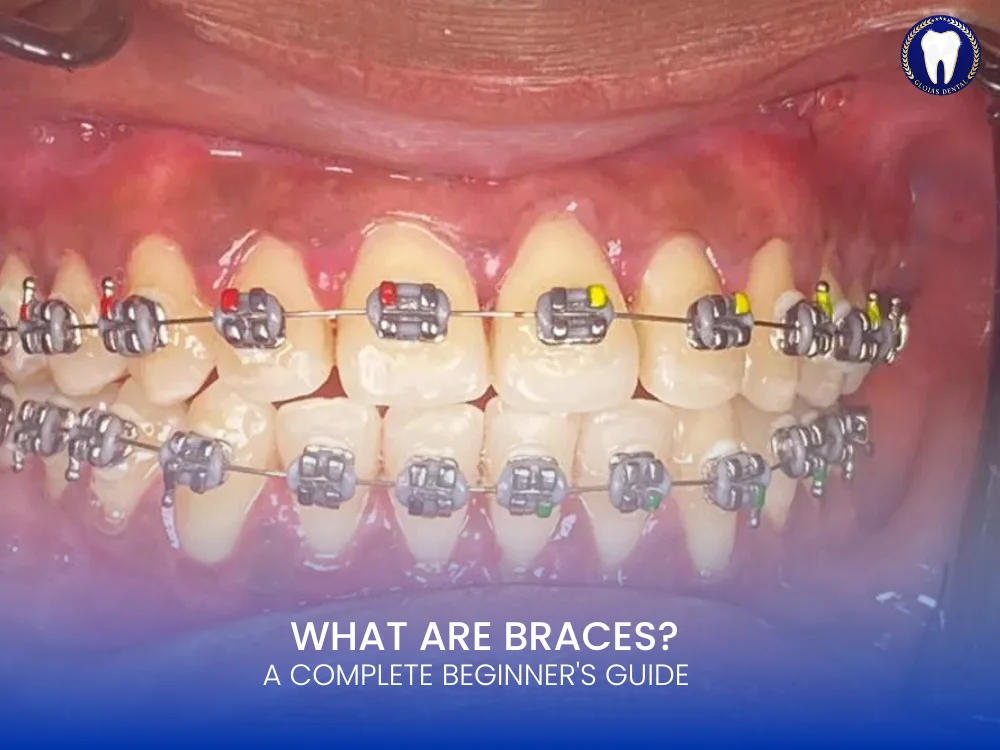
If you’re wondering what are braces, they are orthodontic devices designed to straighten teeth, correct bite issues, and improve overall oral health. Used in Orthodontics, braces apply gentle, continuous pressure to gradually move teeth into proper alignment—enhancing both function and appearance.
Understanding How Braces Work
Braces work by applying controlled force to teeth over time. This process allows the surrounding bone to adapt and reposition the teeth gradually.
Key components include:
- Brackets: Small attachments bonded to teeth
- Archwires: Thin metal wires that guide tooth movement
- Elastic bands: Help adjust bite alignment
This movement relies on a biological process called Bone remodeling, where bone tissue breaks down and rebuilds to support new tooth positions.
Types of Braces Available Today
Modern dentistry offers several types of braces, each suited to different needs and preferences.
1. Traditional Metal Braces
These are the most common and affordable option. Made from high-grade stainless steel, they are highly effective for complex cases.
2. Ceramic Braces
Ceramic braces function like metal braces but use tooth-colored or clear brackets, making them less noticeable.
3. Lingual Braces
Lingual braces are attached to the back of the teeth, making them virtually invisible from the front. However, they may take longer to get used to.
4. Clear Aligners
Clear aligners like Invisalign are removable trays that gradually shift teeth into position. They are popular among adults seeking a discreet option.
What Dental Issues Can Braces Fix?
Braces are used to correct a wide range of dental problems, including:
- Crooked or crowded teeth
- Gaps between teeth
- Overbite
- Underbite
- Crossbite
These conditions are collectively known as Malocclusion, which can affect both oral health and facial aesthetics.
Benefits of Getting Braces
1. Improved Oral Health
Straight teeth are easier to clean, reducing the risk of cavities and gum disease.
2. Better Bite Function
Correcting alignment improves chewing and speaking abilities.
3. Enhanced Appearance
A straighter smile can boost confidence and self-esteem.
4. Long-Term Dental Stability
Proper alignment reduces uneven wear on teeth and jaw strain.
What to Expect During Braces Treatment
Initial Consultation
An orthodontist will assess your teeth using:
- X-rays
- Digital scans
- Physical examination
A customized treatment plan is then created.
Getting Braces Fitted
The process involves:
- Cleaning and preparing the teeth
- Bonding brackets
- Attaching archwires
This procedure is painless but may take 1–2 hours.
Adjustment Appointments
Regular visits (every 4–8 weeks) are required to:
- Tighten wires
- Replace elastics
- Monitor progress
Duration of Treatment
Treatment time varies but typically lasts:
- 12 to 24 months for most patients
More complex cases may take longer.
Do Braces Hurt?
Braces are not painful during application, but you may experience mild discomfort after adjustments.
Common sensations include:
- Pressure on teeth
- Soreness for a few days
- Minor irritation inside the mouth
These symptoms usually subside quickly and can be managed with over-the-counter pain relief.
How to Care for Braces
Proper care is essential for achieving the best results from your orthodontic treatment. Good habits not only help your teeth move as planned but also prevent common issues like cavities, gum problems, or damage to your braces.
Oral Hygiene Tips
Maintaining excellent oral hygiene can be more challenging with braces, but it is crucial throughout your treatment.
- Brush after every meal
Food can easily get trapped around brackets and wires. Brushing after eating helps prevent plaque buildup and tooth decay. - Use a soft-bristled toothbrush
A soft toothbrush is gentle on your gums and effective at cleaning around brackets without causing irritation. Electric toothbrushes can also be helpful. - Floss daily with orthodontic tools
Flossing with braces requires special tools such as floss threaders or interdental brushes. These help clean between teeth and under wires where regular floss may not reach. - Use fluoride toothpaste or mouthwash
Fluoride helps strengthen enamel and reduces the risk of white spots or cavities during treatment.
Foods to Avoid
Certain foods can damage your braces or increase the risk of dental problems. Being mindful of what you eat can help prevent unnecessary repairs or delays in treatment.
- Hard foods
Items like nuts, ice, and hard candies can break brackets or bend wires. - Sticky foods
Caramel, chewing gum, and similar sticky treats can get stuck in braces and are difficult to clean off. - Sugary snacks and drinks
Excess sugar increases the risk of plaque buildup and cavities, especially around brackets where cleaning is harder. - Crunchy foods (with caution)
Foods like apples or carrots should be cut into smaller pieces instead of biting directly into them.
Protecting Your Braces
Taking extra precautions can help protect your braces from damage during daily activities.
- Wear a mouthguard during sports
If you play contact sports or activities with a risk of impact, a mouthguard helps protect both your teeth and braces from injury. - Avoid habits that can damage braces
Biting nails, chewing pens, or opening packaging with your teeth can loosen brackets or wires. - Attend regular orthodontic appointments
Routine check-ups allow your orthodontist to monitor progress and fix any issues early.
With consistent care and attention, your braces treatment can stay on track and deliver the best possible results. Small daily habits make a big difference in keeping your teeth healthy and your treatment timeline smooth.
Life After Braces: Retainers
After braces are removed, retainers help maintain the new position of your teeth.
Common types include:
- Fixed retainers
- Removable retainers
Wearing retainers as instructed is crucial to prevent teeth from shifting back.
Are Braces Only for Teenagers?
No, braces are suitable for both teens and adults.
In fact, more adults are seeking orthodontic treatment today due to:
- Increased awareness of dental health
- Availability of discreet options like clear aligners
Age is not a barrier as long as teeth and gums are healthy.
Cost of Braces in Malaysia
The cost of braces varies depending on:
- Type of braces
- Complexity of the case
- Clinic location and expertise
Estimated ranges:
- Metal braces: RM 5,000 – RM 10,000
- Ceramic braces: RM 7,000 – RM 12,000
- Clear aligners: RM 10,000 – RM 20,000+
Many clinics offer installment plans to make treatment more accessible.
Choosing the Right Orthodontist
Final Thoughts
Understanding what are braces is the first step toward improving your smile and oral health. Whether you choose traditional metal braces or modern clear aligners, orthodontic treatment can deliver long-lasting benefits when done correctly.
Consistency, proper care, and professional guidance are key to achieving the best results.
FAQs
1. What are braces made of?
Braces are typically made from stainless steel, ceramic, or plastic materials depending on the type.
2. At what age should you get braces?
Braces are commonly recommended between ages 10–14, but adults can benefit as well.
3. How long do braces take to work?
Treatment usually lasts 1–2 years, depending on the complexity.
4. Can I eat normally with braces?
You can eat most foods, but you should avoid hard and sticky items.
5. Are clear aligners as effective as braces?
They can be effective for mild to moderate cases but may not suit complex issues.
6. How often do I need to visit the orthodontist?
Typically every 4–8 weeks for adjustments.
7. Do braces affect speech?
There may be slight changes initially, but speech usually normalizes quickly.
8. What happens if a bracket breaks?
You should contact your orthodontist promptly for repair.
9. Are braces expensive?
Costs vary, but many clinics offer payment plans.
10. Will teeth move after braces are removed?
Yes, without retainers, teeth can shift back over time.