Ever felt like your mouth was a desert after a spicy plate of nasi lemak? While that’s usually just a temporary craving for water, for many Malaysians, that parched feeling is a daily reality called xerostomia. In our tropical climate, staying hydrated is a full-time job, but when your “spit factory” shuts down, it’s not just uncomfortable—it can wreak havoc on your teeth.
What Is Xerostomia?
Understanding Dry Mouth
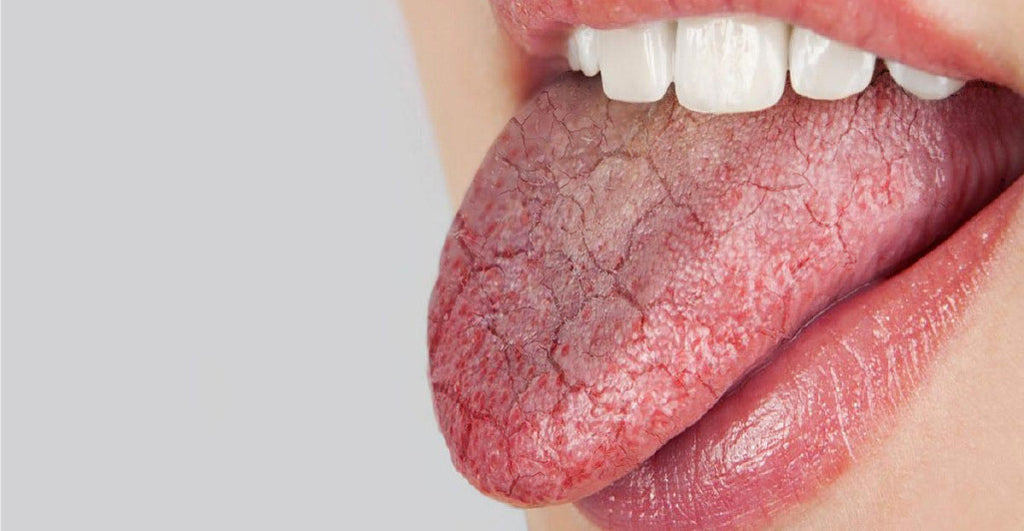
Xerostomia, or dry mouth, is a condition characterized by a lack of sufficient saliva to keep the mouth moist. Often caused by medications, dehydration, or medical conditions, it increases the risk of dental cavities, gum disease, and mouth infections. Saliva is vital for neutralizing acids and washing away food particles.
Xerostomia vs Salivary Gland Dysfunction
It’s a subtle but important difference. You can feel like your mouth is dry (xerostomia) even if your glands are technically producing a normal volume of saliva. Conversely, salivary gland dysfunction refers to an objective, measurable drop in saliva production or a change in its chemical composition. According to the American Academy of Oral Medicine, saliva flow usually needs to drop by 50% before a patient even notices the dryness.
Common Causes of Xerostomia
Medications That Reduce Saliva
The most common culprit? Your medicine cabinet. Over 500 medications—from antihistamines for local haze allergies to blood pressure pills—list “dry mouth” as a side effect. Anticholinergics and antidepressants are notorious for signaling the salivary glands to take a break.
Medical Conditions (Diabetes, Sjögren’s Syndrome)
Chronic conditions play a massive role. Sjögren’s Syndrome, an autoimmune disorder, specifically attacks the moisture-producing glands. Poorly controlled diabetes can also lead to dehydration and decreased salivary flow.
Lifestyle Factors and Habits
Mouth Breathing: Often caused by chronic sinus issues or a deviated septum.
Tobacco & Alcohol: Both are major irritants that dry out the oral mucosa.
Dehydration: In the Malaysian heat, if you aren’t drinking enough water, your saliva is the first thing to go.
Symptoms and Complications
Early Signs of Dry Mouth
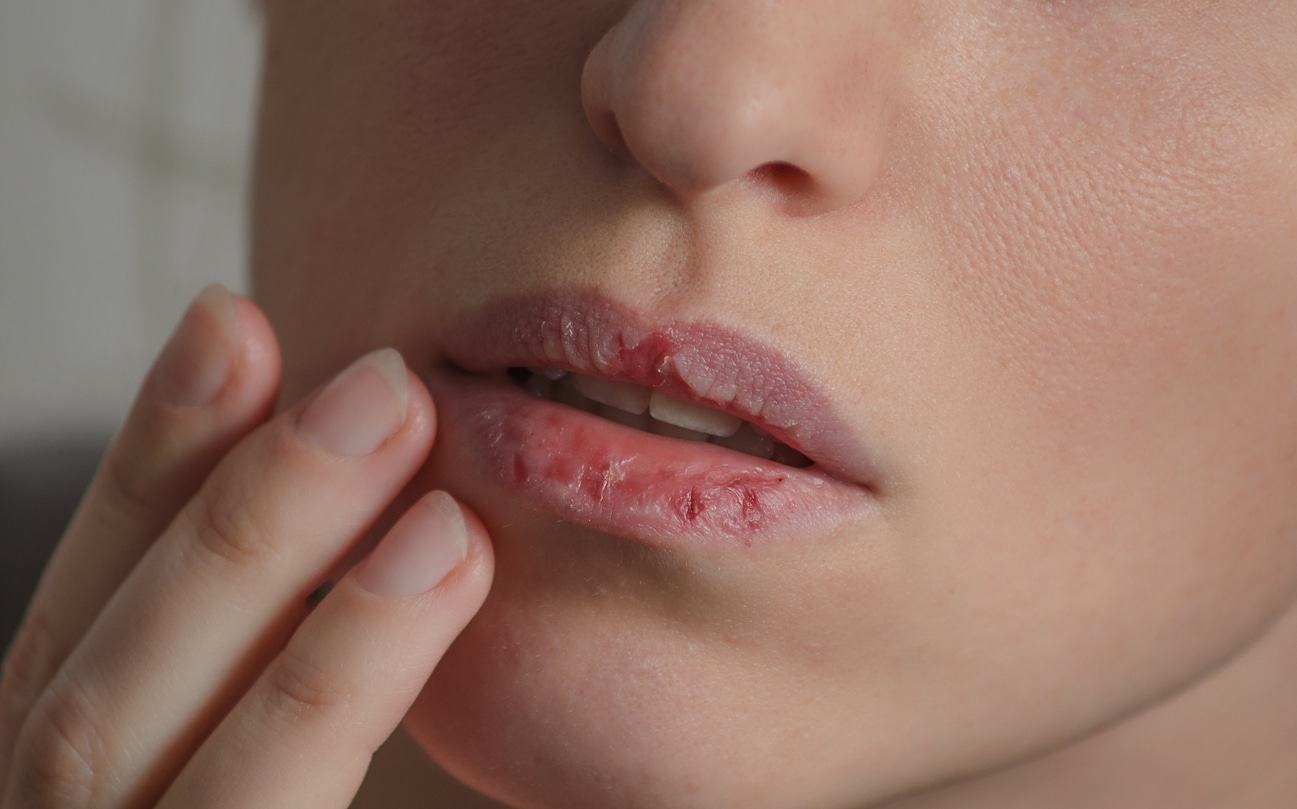
Beyond the “sticky” feeling, look for:
Thick, stringy saliva.
Bad breath (halitosis) that won’t go away.
A grooved or “geographic” tongue.
Difficulty Speaking, Chewing, or Swallowing
Without lubrication, food doesn’t slide down easily. You might find yourself needing a sip of water just to swallow a cracker or struggling to articulate words during a long meeting.
Oral Health Risks: Cavities, Gum Disease, Infections
Saliva contains minerals that repair enamel. Without it, you are at high risk for cervical caries (cavities at the gumline) and oral thrush—a yeast infection that thrives in dry environments. The Mayo Clinic warns that a lack of saliva leads to a rapid increase in dental plaque and gum disease.
Diagnosis of Xerostomia
Clinical Examination and Medical History
A dentist will check for “pooling” under the tongue. If the floor of your mouth is bone-dry, it’s a red flag. They’ll also review your prescriptions to see if a drug-induced cause is likely.
Saliva Flow Tests and Imaging
Specialists might perform sialometry, where they measure exactly how many milliliters of saliva you produce in a set time. In complex cases, a biopsy of the minor salivary glands in the lip may be needed to check for Sjögren’s Syndrome.
When to See a Specialist in Malaysia
If over-the-counter remedies aren’t working, seek out an Oral Medicine Specialist. Many are found in university hospitals like Universiti Kebangsaan Malaysia (UKM) or major private centers like Prince Court Medical Centre.
Treatment Options for Xerostomia
Saliva Substitutes and Moisturizing Gels
Products like Biotene or Oral7 (which has been clinically studied in Malaysia for its efficacy) act as artificial lubricants. They come in sprays, gels, and mouthwashes to keep the tissues moist.
Medications to Stimulate Saliva
If your glands still have some “life” in them, doctors may prescribe sialogogues like Pilocarpine. These drugs “kickstart” the glands to produce more natural saliva.
Managing Underlying Health Conditions
Treating the root cause—like stabilizing blood sugar in diabetics—often improves oral moisture levels.
Preventing Xerostomia Complications
Maintaining Oral Hygiene
Use high-fluoride toothpaste and alcohol-free mouthwash. Since you lack natural protection, you have to be 2x as diligent with flossing.
Hydration and Diet Tips
Sip water constantly (aim for 2-3 liters a day).
Chew xylitol-containing sugar-free gum to stimulate flow.
Eat water-rich foods like cucumber or watermelon.
Avoiding Irritants: Alcohol, Tobacco, Caffeine
Caffeine is a diuretic that can worsen dryness. If you can’t quit your kopi-O, try to follow every cup with two cups of water.
Xerostomia in Special Populations
Elderly Patients
As we age, we often take more medications. According to StatPearls, elderly patients are the most frequently affected group, often suffering from “polypharmacy” induced dryness.
Cancer Patients Undergoing Radiation
Radiation to the head and neck can permanently damage salivary glands. These patients require specialized, lifelong oral care to prevent total tooth loss.
Children with Chronic Dry Mouth
Often linked to mouth breathing or ADHD medications, kids need early intervention to protect their developing adult teeth from rapid decay.
Frequently Asked Questions (FAQs)
Is Xerostomia Curable?
If it’s caused by a medication, switching drugs can “cure” it. If it’s caused by radiation or Sjögren’s, it’s usually a chronic condition that must be managed.
Can Dry Mouth Cause Permanent Damage?
Yes. Untreated, it can lead to widespread tooth decay and tooth loss within a remarkably short period.
How Often Should I Visit the Dentist for Xerostomia?
The American Dental Association suggests that high-risk patients should visit every 3 to 4 months for professional cleaning and fluoride applications.
Don’t Wait, Get Fresh Breath, Better Health With Experts

GLOJAS Dental Clinic in Kuala Lumpur offers professional solutions for xerostomia, utilizing 3D CBCT imaging to assess oral health. Dr. Aaron Ng provides evidence-based treatments and saliva-stimulating strategies to prevent decay and ensure comfort.
B-2, Glomac Galleria, 06, Jalan 26A/70A,
Desa Sri Hartamas, 50480 Wilayah Persekutuan,
Kuala Lumpur, Malaysia.