

Dreaming of a red-carpet smile without the Hollywood price tag? If you’re in KL or anywhere across Malaysia, you’ve likely heard about composite veneers.
They are the “instant” alternative to porcelain, offering a faster and more affordable way to fix chips, gaps, or stubborn yellowing. Whether you’re prepping for a wedding or just want to boost your confidence, this guide breaks down everything you need to know about getting veneer gigi composite in Malaysia.
What Are Composite Veneers?
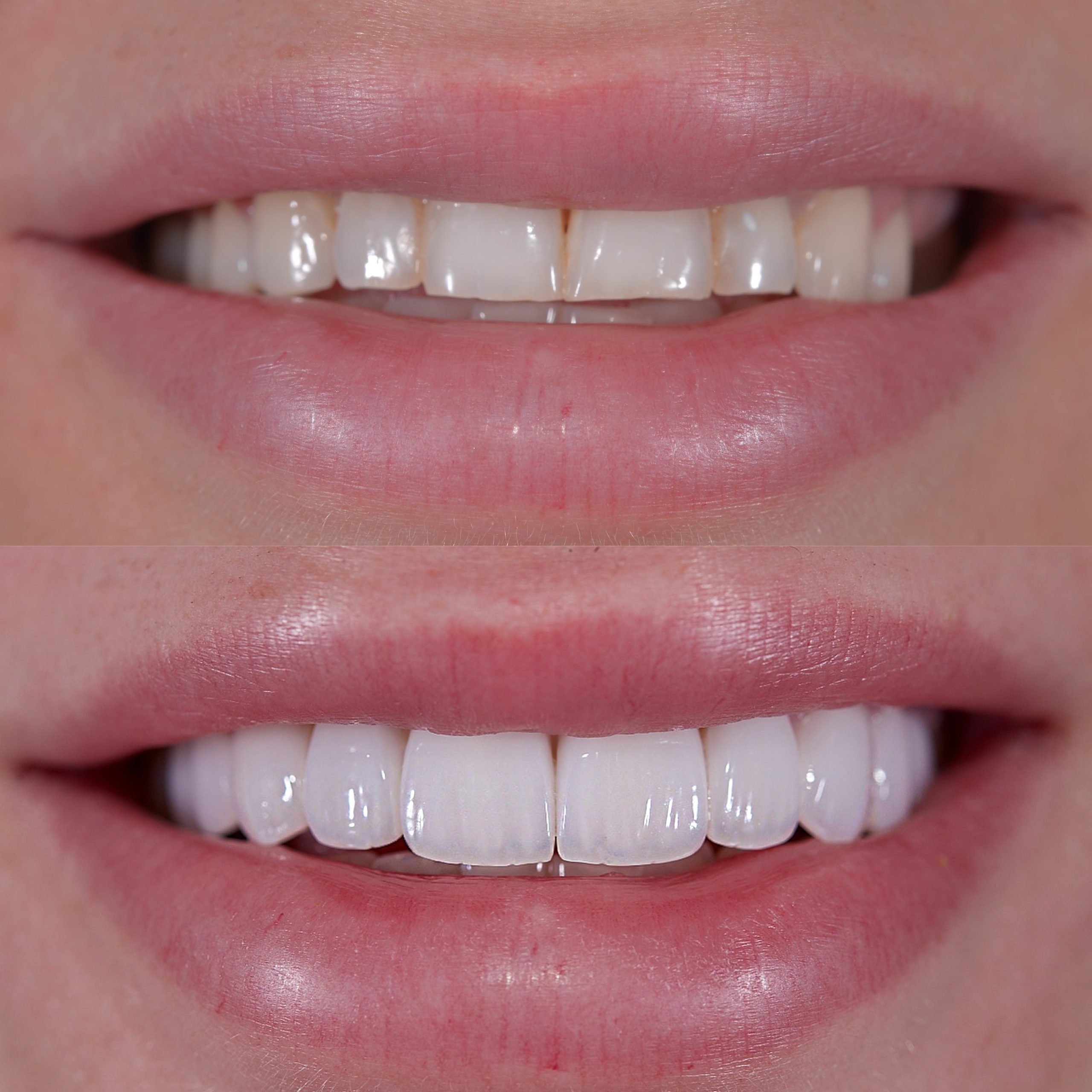
Definition and Purpose
Composite veneers are thin layers of tooth-colored resin—the same high-quality material used for dental fillings—applied directly to the surface of your teeth.
Their main goal is to mask imperfections. Unlike crowns, which cover the whole tooth, veneers only sit on the front to give you a “mini-facelift” for your smile.
How Composite Veneers Differ from Porcelain Veneers
The biggest difference is the material and the process. While porcelain veneers are made of ceramic in a lab, composite veneers are hand-sculpted “chairside” by your dentist.
They are usually thinner and require less (if any) enamel removal. According to the American Dental Association, composite resin is a versatile material that allows for direct bonding, making it a much faster procedure than its porcelain counterpart.
Benefits of Composite Veneers
Speed: You can walk in with a gap and walk out with a full smile in just one session.
Price: They are significantly cheaper than porcelain.
Reversibility: Often, no natural tooth structure is removed, meaning the process can be reversed.
Easy Fixes: If you chip a composite veneer, it can be patched up in minutes.
Who Is an Ideal Candidate for Composite Veneers in Malaysia?
Age and Dental Health Considerations
Almost anyone with healthy gums and stable teeth can get veneers. However, if you have active gum disease or major decay, those need to be treated first.
It’s also popular among younger adults in Malaysia who want a glow-up but aren’t ready for the permanent tooth preparation required for porcelain.
Cosmetic Concerns Addressed by Composite Veneers
They are perfect for:
Closing small gaps (diastema).
Fixing slightly crooked teeth (instant orthodontics!).
Covering intrinsic stains that whitening can’t fix.
Restoring worn-down or chipped edges.
The Composite Veneer Procedure in Malaysia
Step-by-Step Treatment Process
Consultation: Your dentist checks your bite and discusses your “Smile Design.”
Preparation: The tooth surface is cleaned and lightly etched with a gel to help the resin stick.
Layering: The dentist applies the resin in thin layers, meticulously shaping it to look like a natural tooth.
Curing: A special blue light is used to harden each layer instantly.
Polishing: This is the most important part—the dentist buffs the resin to a high shine so it looks like real enamel.
Duration and Number of Sessions Required
Unlike porcelain, which takes two or three visits, composite veneers are a one-visit wonder. Depending on how many teeth you’re doing, it usually takes between 1 to 3 hours.
Materials Used for Composite Veneers
Malaysian clinics use advanced micro-hybrid or nano-filled resins. These materials are designed to be strong enough for chewing while remaining translucent enough to mimic natural teeth.
Cost of Composite Veneers in Malaysia
Average Price Range
In 2026, the composite veneers price in Malaysia remains very competitive. You can expect to pay anywhere from RM 350 to RM 800 per tooth.
Factors Affecting Cost
Prices vary based on:
The complexity of the tooth alignment.
The brand of resin used (e.g., 3M, Filtek).
The location of the clinic (KL/Bangsar vs. smaller towns).
Insurance and Payment Options
Since veneers are usually considered “cosmetic,” most Malaysian insurance plans won’t cover them.
However, many private clinics offer 0% installment plans via GrabPay, Atome, or credit cards to make the “smile makeover” more accessible.
Longevity and Maintenance of Composite Veneers
Lifespan of Composite Veneers
Generally, composite veneers last between 5 to 7 years. With exceptional care, some Malaysians keep theirs for up to 10 years before needing a refresh.
Daily Care and Cleaning Tips
Treat them like natural teeth! Brush twice a day with a soft-bristled brush and non-abrasive toothpaste. Flossing is non-negotiable to keep the margins clean.
Foods and Habits to Avoid
Composite is more porous than porcelain. To prevent staining, go easy on the teh tarik, coffee, and turmeric-heavy curries.
Also, avoid biting directly into hard foods like keropok or ice, as the resin can chip under high pressure.
Risks, Side Effects, and Safety Considerations
Common Side Effects
The most common “side effect” is a slight adjustment period where your lips feel a bit “fuller.” Some patients also experience temporary sensitivity to cold.
Potential Complications
If not done by a pro, you might face gingival irritation (gum swelling) or staining at the edges.
Research in the Journal of Esthetic and Restorative Dentistry highlights that the skill of the clinician is the #1 factor in preventing “micro-leakage” at the veneer margin.
Choosing a Certified Dentist
Always ensure your dentist is registered with the Malaysian Dental Council. Avoid “mobile veneer” services or beauty salons—these are illegal and can cause permanent damage to your enamel.
Composite Veneers vs Other Cosmetic Dental Treatments
Composite vs Porcelain Veneers
Think of it like this: Composite is a high-quality “wrap” (faster/cheaper), while Porcelain is a “permanent shell” (stronger/stain-resistant).
Composite Veneers vs Teeth Whitening
Whitening only changes the shade. Veneers change the shade and the shape. If your teeth are naturally “short” or “spaced out,” whitening won’t fix that, but veneers will.
Composite Veneers vs Dental Bonding
Technically, they are very similar! “Bonding” usually refers to fixing a small chip on one tooth, while “veneers” refers to covering the entire front surface of multiple teeth for a uniform look.
Finding the Best Composite Veneers Clinics in Malaysia
Top-Rated Dental Clinics
Malaysia is home to world-class aesthetic clinics. Look for those specializing in “Cosmetic Dentistry” or “Aesthetic Restorations.” Reviews on platforms like WhatClinic can help you gauge patient satisfaction.
Questions to Ask Before Treatment
Can I see “before and after” photos of your previous patients?
Which brand of composite resin do you use?
What happens if one chips in the first six months?
Patient Reviews and Testimonials
Always look for reviews that mention “natural results” and “good bite alignment.” A great dentist won’t just give you white teeth; they’ll give you a smile that fits your face.
FAQs About Composite Veneers Malaysia
Are Composite Veneers Painful?
Nope! Most of the time, no anesthesia is even needed because the dentist isn’t drilling into the sensitive part of your tooth.
Do Composite Veneers Damage Teeth?
Not at all. Since there is minimal to no enamel removal, your natural teeth remain healthy underneath.
Can Composite Veneers Fix Gaps?
Yes! They are one of the most common ways to close a “gap tooth” (diastema) in a single visit without needing braces.
Ready to Change Your Smile?

GLOJAS Dental Clinic in Kuala Lumpur offers premium composite veneers under Dr. Aaron Ng, providing durable, natural-looking aesthetic restorations tailored to your specific dental goals and facial features.
B-2, Glomac Galleria, 06, Jalan 26A/70A,
Desa Sri Hartamas, 50480 Wilayah Persekutuan,
Kuala Lumpur, Malaysia.