
Let’s be honest: most of us only think about our teeth when they start hurting. But in the world of modern dentistry, waiting for pain is like waiting for your car engine to smoke before checking the oil. In Malaysia, where local delicacies like teh tarik and sirap bandung keep our sweet tooths busy, understanding the landscape of oral health is more than just a cosmetic concern—it’s a vital part of your general well-being.
What Are Dental Problems?
Definition and Causes
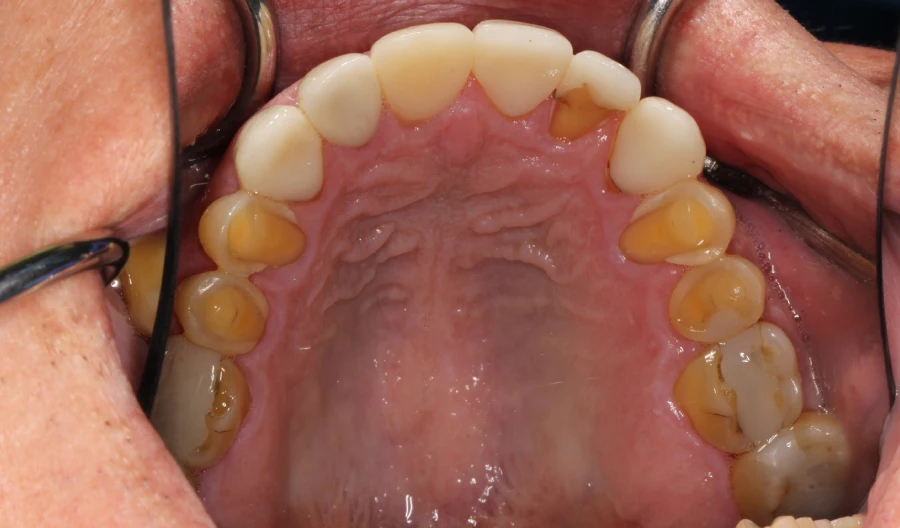
Dental problems are a broad spectrum of conditions affecting the teeth, gums, tongue, and the structures of the mouth. From microscopic bacterial invasions to physical trauma, these issues usually stem from a imbalance in the mouth’s microbiome. When harmful bacteria feast on sugars, they produce acid that decalcifies enamel, leading to the “domino effect” of oral decay.
How Dental Problems Affect Overall Health
Your mouth is the primary gateway to your body. Research shared by the Mayo Clinic highlights that oral bacteria and inflammation can enter the bloodstream, potentially contributing to endocarditis and cardiovascular disease. Essentially, a “dirty” mouth acts as a reservoir for systemic inflammation, making oral hygiene a frontline defense for your heart and lungs.
Common Types of Dental Problems
Tooth Decay and Cavities
Often called dental caries, this is the most prevalent dental issue in Malaysia. Statistics from the Ministry of Health Malaysia indicate that a high percentage of adults and children suffer from untreated decay. If left alone, a small pit can become a massive infection requiring a root canal.
Gum Disease (Gingivitis and Periodontitis)
Gum disease starts quietly. Gingivitis involves red, swollen gums that bleed during brushing. If you ignore those “pink” spit-outs, it evolves into periodontitis, where the bone supporting your teeth literally dissolves.
Tooth Sensitivity
Does an iced Milo send a jolt through your jaw? Sensitivity occurs when your enamel thins or gums recede, exposing the dentin—the porous layer that connects directly to the tooth’s nerve.
Cracked, Chipped, or Broken Teeth
Whether it’s a sports injury or accidentally biting a rogue stone in your nasi lemak, physical damage can leave the inner pulp vulnerable. Even microscopic “craze lines” can lead to full fractures over time.
Misaligned or Crooked Teeth
Technically called malocclusion, this isn’t just about aesthetics. Crooked teeth are harder to clean, creating “blind spots” where plaque builds up, increasing your risk of decay and gum disease.
Bad Breath (Halitosis)
Chronic bad breath isn’t just about what you ate for lunch. It’s often caused by volatile sulfur compounds produced by bacteria hiding on the tongue or in gum pockets.
Oral Infections and Abscesses
An abscess is a localized collection of pus caused by a bacterial infection. This is a dental emergency; if the infection spreads to the jaw or neck, it can become life-threatening.
Causes and Risk Factors for Dental Problems
Poor Oral Hygiene
Skipping a nightly brush or missing the “forgotten” spaces between teeth with floss is the #1 cause of plaque calcification into tartar (calculus).
Diet and Lifestyle Habits
Frequent snacking on fermentable carbohydrates (like crackers or sweets) keeps the mouth in a constant state of acid attack. In Malaysia, the World Health Organization identifies high sugar consumption as a leading driver for the global burden of oral disease.
Genetics and Medical Conditions
Some people are genetically predisposed to thinner enamel. Additionally, conditions like diabetes can reduce the body’s ability to fight off gum infections, creating a vicious cycle between blood sugar and oral health.
Tobacco and Alcohol Use
Smoking doesn’t just stain teeth; it restricts blood flow to the gums, masking the symptoms of gum disease and making it much harder for the mouth to heal after treatment.
Preventing Dental Problems
Daily Brushing and Flossing Techniques
The 2-Minute Rule: Brush twice a day for a full two minutes.
C-Shape Flossing: Don’t just snap the floss down; curve it around the tooth to clean beneath the gum line.
Don’t Rinse Immediately: Let the fluoride in your toothpaste sit on your teeth for a bit before rinsing.
Regular Dental Checkups in Malaysia
Professional cleanings (scaling and polishing) are essential. Even the best brushers can’t remove tartar once it has hardened. Most Malaysian dentists recommend a visit every six months.
Fluoride Treatments and Sealants
For children and high-risk adults, fissure sealants act as a protective “raincoat” for molars, filling in deep grooves where bacteria hide.
Healthy Diet Tips for Strong Teeth
Focus on “detergent foods” like raw carrots and apples that help scrub teeth as you chew. Swapping sugary drinks for plain water is the single most effective change you can make for your enamel.
Treatment Options for Dental Problems
Fillings, Crowns, and Root Canals
Fillings: Repair small cavities using composite resin.
Crowns: A “cap” for teeth that are too damaged for a simple filling.
Root Canals: Saving a tooth by removing infected pulp from the roots.
Gum Disease Treatments
From deep scaling and root planing (cleaning under the gums) to laser therapy, modern treatments can often halt gum disease in its tracks.
Orthodontic Solutions
Braces or clear aligners (like Invisalign) correct your bite and alignment, making your teeth easier to maintain for the long haul.
Emergency Dental Care
If you have a knocked-out tooth or severe swelling, time is of the essence. Keeping a knocked-out permanent tooth in milk can keep the cells alive while you rush to the clinic.
Choosing the Right Dentist in Malaysia
Qualifications and Experience to Look For
In Malaysia, all practicing dentists must be registered with the Malaysian Dental Council. Look for clinicians who invest in continuing education and use modern diagnostic tools like digital X-rays or AI-powered scans.
Clinics and Services Offered
Choose a clinic that offers comprehensive care—from general checkups to specialized treatments like periodontics or endodontics—to ensure continuity in your health records.
Tips for Scheduling Regular Visits
Pre-book: Schedule your next cleaning before you leave the clinic.
Sync it: Align your dental visits with other health checkups or school breaks.
Frequently Asked Questions About Dental Problems in Malaysia
How often should I change my toothbrush?
Every 3 to 4 months, or sooner if the bristles are frayed. A worn-out brush is about as effective as cleaning your floors with a bald broom.
Is teeth whitening bad for my enamel?
When done by a professional, whitening is safe. However, “DIY” kits or charcoal pastes can be highly abrasive, permanently thinning your enamel.
Why do my gums bleed when I floss?
Bleeding is a sign of inflammation (gingivitis). Ironically, the solution is usually to floss more consistently to remove the bacteria causing the irritation.
Are private dental clinics in Malaysia expensive?
While private care varies, Malaysia is a hub for medical and dental tourism because of our high standards and competitive pricing compared to Western countries.
Ready to Change Your Smile?

GLOJAS Dental Clinic in Malaysia offers expert dental care, including checkups, preventive treatments, and restorative services, ensuring healthy teeth, gums, and confident smiles for patients of all ages.
B-2, Glomac Galleria, 06, Jalan 26A/70A,
Desa Sri Hartamas, 50480 Wilayah Persekutuan,
Kuala Lumpur, Malaysia.