
Dental health is an essential aspect of our overall well-being, yet tooth decay continues to affect millions globally—especially children. If you’re looking for a simple, effective, and affordable way to protect your teeth, dental sealants might just be the powerful solution you’ve been missing.
What Are Dental Sealants?
Dental sealants are thin, plastic coatings applied to the chewing surfaces of molars and premolars. Their purpose is to seal deep grooves and pits in the teeth where food particles and bacteria can accumulate, leading to cavities.
The process is quick, painless, and offers years of protection. By acting as a barrier, sealants significantly reduce the risk of decay, making them especially effective for children and teenagers.
How It Work
The back teeth (molars) have uneven surfaces that are difficult to clean, especially for kids. Sealants work by creating a protective shield over these vulnerable areas.
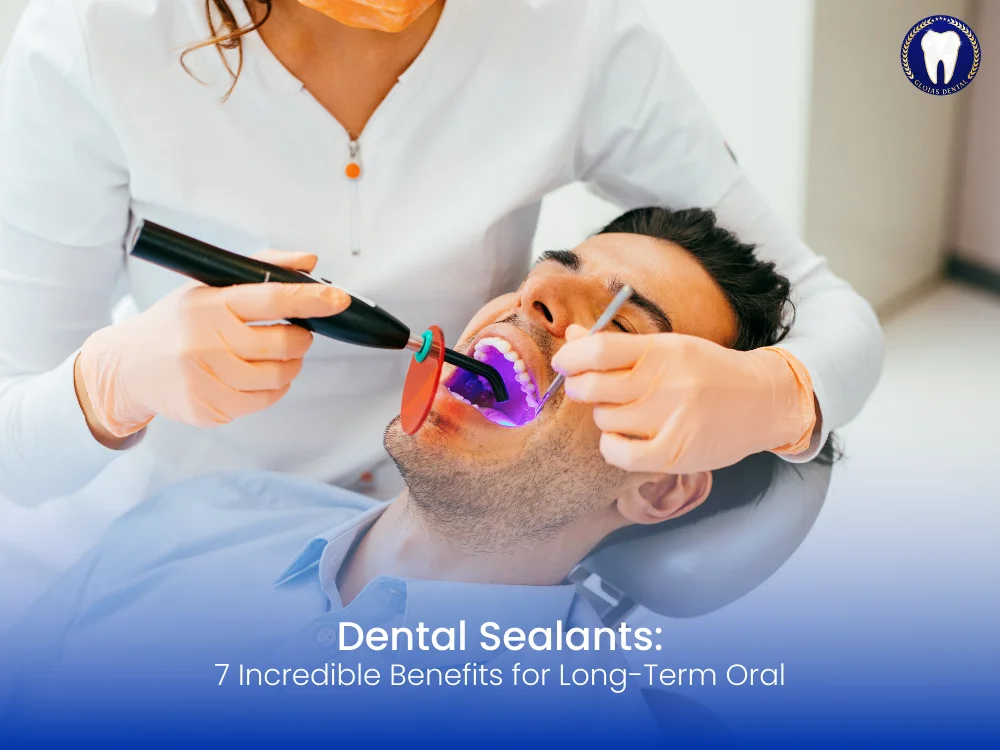
Step-by-Step Application Process
- Cleaning: The teeth are cleaned and dried thoroughly.
- Preparation: A special solution is applied to roughen the surface for better adhesion.
- Application: The sealant is painted onto the tooth enamel.
- Curing: A blue curing light hardens the sealant within seconds.
This straightforward process can be completed during a routine dental visit, usually taking less than 10 minutes per tooth.
Who Should Get Sealants?
Ideal Candidates for Sealants
- Children aged 6–14: These are the years when molars erupt and are most prone to decay.
- Adults with deep grooves in teeth: Even adults can benefit if their teeth are prone to trapping food.
- Individuals with a history of cavities: Especially those who struggle with oral hygiene.
Getting sealants early can save time, discomfort, and money in the long run.
7 Amazing Benefits of Dental Sealants
Prevents Tooth Decay
Dental sealants prevent up to 80% of cavities in molars for two years and continue to protect against 50% for up to four years.
Cost-Effective Preventive Care
Compared to the cost of fillings, root canals, or crowns, sealants are an affordable preventive measure.
Quick and Painless Procedure
The entire process is non-invasive and completely painless—perfect for nervous children.
Reduces Long-Term Dental Costs
By preventing cavities, sealants reduce the need for future dental treatments and associated costs.
Minimally Invasive
Unlike fillings, there’s no drilling or removal of tooth structure involved.
Promotes Long-Term Oral Health
With regular dental check-ups, sealants can last several years, maintaining oral hygiene and reducing bacteria buildup.
Safe and Effective
Sealants have been approved by major health authorities, including the American Dental Association and CDC, confirming their safety and efficacy.
How Long Do Dental Sealants Last?
Sealants typically last five to ten years with proper care. Dentists will examine them during routine check-ups and reapply them if necessary.
Are There Any Side Effects of Dental Sealants?
Sealants are generally safe and have no side effects for the majority of patients. Occasionally, patients may experience a minor allergic reaction to the materials used, but this is extremely rare.
Are Sealants Covered by Insurance?
Many dental insurance plans cover sealants for children and teenagers. It’s always wise to confirm the specifics with your insurance provider.
Dental Sealants for Adults
Although dental sealants are most commonly applied to children’s teeth, adults can also benefit greatly from this protective treatment. Many people assume that sealants are only for kids, but that’s far from the truth. Adults with healthy, decay-free molars can also use sealants as an effective barrier against cavities and tooth decay.
Who Should Consider Dental Sealants as an Adult?
Adults who are prone to cavities, have deep grooves or pits in their molars, or find it challenging to clean those hard-to-reach areas are ideal candidates for dental sealants. Over time, molars naturally develop wear patterns that can trap bacteria and food particles, making them more vulnerable to decay. Applying sealants can help fill these grooves, preventing the accumulation of plaque and reducing the risk of future dental problems.
Maintenance Tips for Dental Sealants
Dental sealants are a long-term investment in oral health, but like anything protective, they require proper care to remain effective. Following a few simple maintenance habits can help sealants last longer and continue to protect your teeth from decay.
Regular Brushing and Flossing
Keeping your teeth clean is the first step in maintaining dental sealants. Brush at least twice a day using a soft-bristled toothbrush and fluoride toothpaste to remove plaque and food particles that can collect around the sealant edges. Don’t forget to floss daily—this removes debris between teeth and along the gumline, areas that sealants can’t reach. Teaching children proper brushing and flossing techniques also ensures that their sealants remain effective for years.
Avoid Chewing on Hard Objects
Chewing on hard items like ice, pens, fingernails, or even sticky candies can cause the sealant material to chip or wear away. While sealants are durable, they’re not indestructible. Encourage kids (and adults!) to be mindful of what they chew to avoid unnecessary damage. Sticking to tooth-friendly snacks such as fresh fruits, cheese, and nuts can also help preserve both sealants and enamel.
Schedule Routine Dental Visits for Inspection
Even though sealants can last up to 10 years, it’s important to have them checked regularly by your dentist. During each visit, your dentist will inspect the sealants for wear, cracks, or loss of coverage. If any issues are found, they can quickly reapply or repair the sealant. Routine visits also allow for professional cleanings, which help prevent plaque buildup around the sealants and maintain overall oral health.
Use Fluoride Toothpaste for Added Protection
Fluoride works hand-in-hand with dental sealants by strengthening the enamel that surrounds the sealed areas. Use a fluoride toothpaste or mouth rinse daily to give your teeth extra protection against cavities. In some cases, your dentist may recommend fluoride treatments to further reinforce weak spots and enhance the effectiveness of your sealants.
Bonus Tip: Maintain a Tooth-Healthy Diet
What you eat plays a big role in how well your dental sealants perform. Limit sugary and acidic foods that can erode enamel or seep beneath the sealant edges. Instead, focus on calcium-rich foods like yogurt, leafy greens, and milk, which help strengthen teeth from the inside out.
Why Dentists Recommend Dental Sealants
Dental professionals emphasize the role of dental sealants in preventive care. When combined with a balanced diet and proper oral hygiene, sealants offer a strong defense against decay.
Frequently Asked Questions FAQs
1. What age should children get dental sealants?
Most dentists recommend applying sealants as soon as permanent molars come in, around age 6 for first molars and 12 for second molars.
2. Do dental sealants hurt?
Not at all. The process is fast, painless, and doesn’t involve drilling or numbing.
3. Can adults get dental sealants?
Yes, if their teeth are cavity-free and have deep grooves, adults can benefit from sealants.
4. How long do dental sealants last?
Sealants can last 5–10 years but should be checked regularly during dental check-ups.
5. Are dental sealants visible?
They are usually clear, white, or slightly tinted and blend in with your natural teeth.
6. Can sealants replace fluoride?
No. Sealants and fluoride serve different purposes. Fluoride strengthens enamel, while sealants act as a physical barrier.
7. How are dental sealants applied?
The dentist first cleans and dries the tooth, then applies an acidic gel to roughen the surface. After rinsing and drying again, the sealant is painted onto the tooth and hardened with a special curing light.
8. How much do dental sealants cost?
The cost can vary, but dental sealants typically range from $30 to $60 per tooth. Many dental insurance plans cover sealants for children and teens.
9. Do dental sealants need special care?
No special care is needed. Just maintain good oral hygiene—brushing, flossing, and regular dental visits—to keep the sealants intact and effective.
10. What happens if a dental sealant falls off?
If a sealant chips or wears away, it can be easily replaced by your dentist during a routine check-up. Regular visits help ensure early detection and repair.
11. Are dental sealants safe?
Yes. Dental sealants are made from biocompatible materials and are approved by the American Dental Association (ADA). They contain minimal BPA, far below levels considered harmful.
12. Can dental sealants prevent all cavities?
Sealants are highly effective in preventing cavities on chewing surfaces, but they don’t protect between teeth or along the gumline—regular brushing and flossing are still essential.
13. How can I tell if my child needs dental sealants?
If your child’s molars have deep grooves or if they’re prone to cavities, your dentist may recommend sealants after examining their teeth.
14. Are there alternatives to dental sealants?
While there’s no perfect substitute, maintaining excellent oral hygiene, using fluoride toothpaste, and limiting sugary snacks can help protect teeth from decay.
15. How long does it take to apply dental sealants?
The entire process usually takes 10–30 minutes, depending on how many teeth are being sealed.
16. Do sealants feel different on the teeth?
Immediately after application, the tooth may feel slightly different, but most patients adjust within a day or two.
Conclusion
Dental sealants are a smart investment in your or your child’s oral health. They are affordable, effective, and endorsed by dental professionals worldwide. By understanding how dental sealants work and who they benefit most, you can take proactive steps to protect against cavities and maintain a healthy smile for years to come.