

A permanent tooth filling is a long-lasting dental restoration used to repair cavities, cracks, or damaged teeth. Unlike temporary fillings, which are designed for short-term use, permanent fillings restore the structure and function of a tooth for several years.
Dentists use different materials for permanent fillings, including composite resin, amalgam, gold, and ceramic. The choice depends on the location of the cavity, the patient’s budget, and aesthetic preferences.
Types of Permanent Tooth Fillings
Choosing the right type of permanent tooth filling depends on durability, appearance, and cost. Let’s explore the most common types:
1. Composite Resin Fillings
These tooth-colored fillings blend naturally with teeth, making them ideal for front teeth and visible areas.
Pros:
✅ Matches the natural tooth color
✅ Bonds directly to the tooth for added strength
✅ Requires less removal of the tooth structure
Cons:
❌ Prone to staining over time
❌ Slightly less durable than other materials
2. Amalgam (Silver) Fillings
A long-lasting and cost-effective option, amalgam fillings are often used for back teeth.
Pros:
✅ Highly durable and resistant to wear
✅ Less expensive than composite or ceramic fillings
✅ Can last over 10–15 years
Cons:
❌ Noticeable silver color
❌ Contains small amounts of mercury (considered safe but controversial)
3. Gold Fillings
Gold fillings are highly durable but expensive, often lasting over 20 years.
Pros:
✅ Exceptional strength and longevity
✅ Does not corrode over time
✅ Well-tolerated by gum tissue
Cons:
❌ High cost compared to other materials
❌ Requires multiple dental visits
4. Ceramic (Porcelain) Fillings
Ceramic fillings are a premium choice due to their aesthetic appeal and resistance to staining.
Pros:
✅ Natural-looking and stain-resistant
✅ Durable and long-lasting
✅ Biocompatible with the body
Cons:
❌ More expensive than composite fillings
❌ Can be brittle under excessive pressure
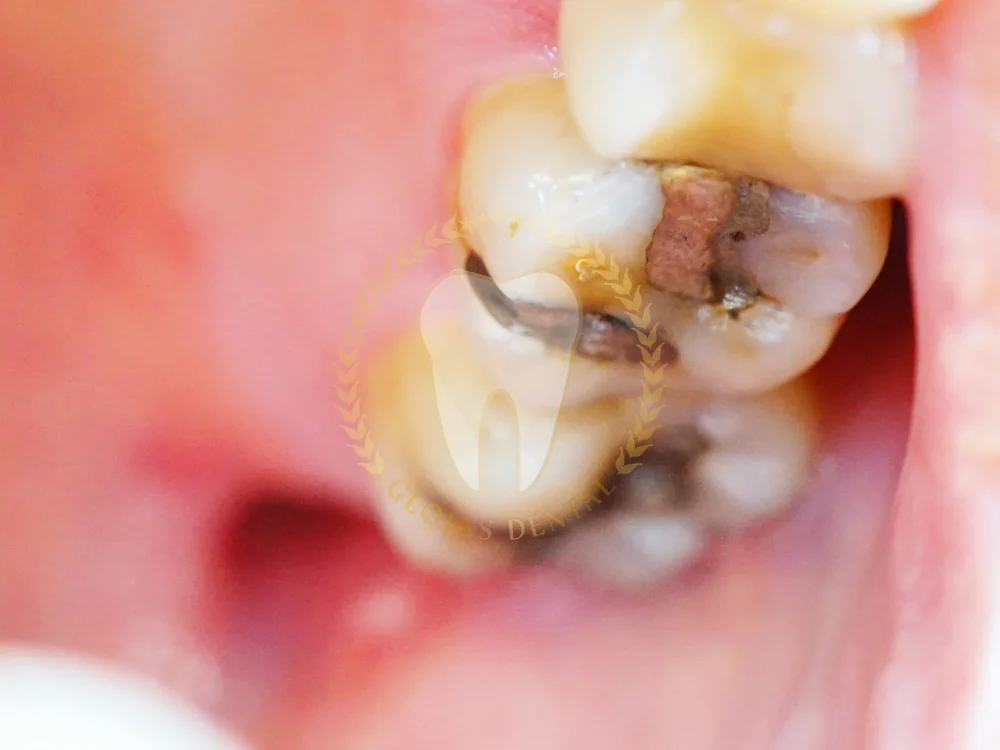
The Permanent Tooth Filling Procedure
Getting a permanent tooth filling is a straightforward dental procedure that typically involves the following steps:
1. Diagnosis and Preparation
- The dentist examines the affected tooth using X-rays.
- The area around the tooth is numbed with a local anesthetic.
- The decayed or damaged portion of the tooth is removed.
2. Filling Placement
- The dentist cleans and dries the cavity before applying the filling material.
- Composite resin fillings require layering and curing with a special light.
- Amalgam, gold, and ceramic fillings are shaped and polished for a natural feel.
3. Final Adjustments
- The dentist checks your bite to ensure comfort.
- Additional polishing is done to smooth rough edges.
- Aftercare instructions are provided for maintaining the filling.
How Long Does a Permanent Tooth Filling Last?
The lifespan of a permanent tooth filling depends on the material used and oral hygiene habits.
Filling Type | Average Lifespan |
Composite Resin | 5–10 years |
Amalgam (Silver) | 10–15 years |
Gold | 20+ years |
Ceramic (Porcelain) | 10–15 years |
Regular dental checkups help monitor the condition of fillings and prevent potential issues.
Cost of Permanent Tooth Filling
The cost of a permanent tooth filling in Malaysia can vary depending on several factors, including the type of material used, the size of the cavity, clinic location, and the dentist’s expertise. In major cities such as Kuala Lumpur, prices may be slightly higher due to higher operating costs and the use of more advanced dental materials.
Below is a general estimate of per-tooth filling costs in Malaysian Ringgit (RM):
| Filling Type | Estimated Cost (Per Tooth) |
|---|---|
| Composite Resin (Tooth-Coloured) | RM200 – RM600 |
| Amalgam (Silver Filling) | RM150 – RM450 |
| Gold Filling | RM1,100 – RM6,700 |
| Ceramic / Porcelain Filling | RM1,300 – RM6,700 |
Composite resin fillings are the most commonly used today because they blend naturally with the color of the teeth, making them a popular option for visible areas. Amalgam fillings, while more affordable and durable, are less commonly used now due to their metallic appearance.
Premium options such as gold and ceramic fillings are more durable and aesthetically pleasing, but they require more complex procedures and laboratory work, which explains the higher price range.
In Malaysia, some dental insurance plans or employer medical benefits may cover part of the cost, especially if the filling is considered medically necessary to treat tooth decay. However, cosmetic upgrades or premium materials may require additional out-of-pocket payment.
If you suspect you have a cavity, it is best to visit a dentist early, as treating decay with a simple filling is usually far more affordable than waiting until more complex treatments like root canal therapy or crowns become necessary.
Signs You Need a Permanent Tooth Filling
Recognizing the early warning signs of tooth decay can help you get treatment before the problem becomes more serious. A permanent tooth filling is usually recommended when a cavity has formed but the damage is still limited to the outer part of the tooth. Addressing the issue early helps preserve your natural tooth and prevents the need for more complex dental treatments.
Persistent Toothache or Sensitivity
Ongoing tooth pain or sensitivity to hot, cold, or sweet foods and drinks may indicate that the tooth enamel has been weakened by decay. This sensitivity often occurs when the underlying dentin becomes exposed, making the tooth more reactive to temperature changes.
Visible Holes or Dark Spots on a Tooth
If you notice small holes, pits, or dark stains on the surface of a tooth, it may be a sign of a developing cavity. These spots can appear brown, black, or white and usually indicate that the enamel has started to break down due to bacterial activity.
Cracks or Fractures in an Existing Filling
Dental fillings can wear down over time. If an existing filling becomes cracked, chipped, or loose, bacteria can enter the small gaps and cause new decay beneath it. In such cases, the dentist may recommend replacing the old filling with a new permanent one.
Food Frequently Getting Stuck in One Area
If food often gets trapped in the same spot between your teeth or inside a small hole, it may indicate the presence of a cavity or damaged tooth surface. This can lead to further decay if not treated promptly.
Pain When Biting or Chewing
Sharp discomfort or pressure when biting down could mean the tooth has decay, a crack, or structural damage. A dentist may suggest a permanent filling to restore the tooth and protect it from further harm.
Rough or Uneven Tooth Surface
Sometimes a cavity or damaged filling can cause a tooth to feel rough, chipped, or uneven when you run your tongue over it. This can be an early sign that the tooth structure has weakened and requires repair.
Early detection and timely treatment are essential. Visiting a dentist as soon as these symptoms appear allows cavities to be treated with a simple permanent tooth filling, helping to prevent further damage and reducing the likelihood of more complex procedures such as root canal treatment or dental crowns.
Benefits of Permanent Tooth Fillings
Choosing a permanent tooth filling provides several important benefits for both oral health and daily comfort. Treating cavities early with a filling helps protect the tooth structure and prevents more complex dental procedures in the future.
✔️ Restores Normal Tooth Function
A dental filling restores the damaged part of the tooth, allowing you to chew, bite, and speak comfortably again. Once the cavity is treated and filled, the tooth regains much of its strength and functionality, making everyday eating much easier.
✔️ Prevents Further Tooth Decay
Fillings seal the area where decay has been removed, preventing bacteria and food particles from entering the cavity again. This helps stop the spread of decay and protects the remaining healthy tooth structure.
✔️ Enhances Smile Aesthetics
Modern filling materials such as composite resin and ceramic are designed to match the natural color of your teeth. This makes them almost invisible, especially when used on front teeth or visible areas of the mouth.
✔️ Long-Lasting Dental Solution
Permanent fillings are designed to be durable and resistant to daily chewing pressure. Depending on the material used and your oral hygiene habits, they can last many years before needing replacement.
✔️ Helps Preserve Natural Teeth
By repairing cavities early, fillings help save the natural tooth structure, reducing the need for more invasive treatments such as crowns or root canal therapy later on.
✔️ Quick and Minimally Invasive Procedure
Getting a dental filling is typically a simple and fast procedure, often completed within a single dental visit. Most patients can return to their normal routine shortly after treatment.
✔️ Improves Overall Oral Health
Treating cavities promptly with permanent fillings helps maintain healthy teeth and gums, reducing the risk of infection, tooth pain, and further dental complications in the future.
How to Take Care of a Permanent Tooth Filling
To extend the life of your permanent tooth filling, follow these essential care tips:
✅ Brush twice daily with fluoride toothpaste
✅ Floss daily to prevent decay around the filling
✅ Avoid hard or sticky foods that may damage the filling
✅ Visit the dentist for regular checkups and professional cleanings
Frequently Asked Questions FAQs
1. How soon can I eat after getting a permanent tooth filling?
If you have a composite filling, you can eat immediately. However, for amalgam or gold fillings, wait at least 24 hours to allow them to harden completely.
2. Can a permanent tooth filling fall out?
Yes, fillings can fall out due to wear, decay, or biting on hard objects. If this happens, see your dentist as soon as possible for a replacement.
3. Do permanent tooth fillings hurt?
The procedure is usually painless due to local anesthesia. Some sensitivity may occur afterward but typically subsides within a few days.
4. Which type of filling is best for front teeth?
Composite resin or ceramic fillings are ideal for front teeth since they closely match the natural tooth color.
5. Can a permanent tooth filling be replaced?
Yes, fillings can be replaced if they wear out, crack, or become loose over time. Regular dental checkups help detect issues early.
7. Is sensitivity normal after a tooth filling?
Yes, temporary tooth sensitivity is common after a filling. You may notice sensitivity to cold drinks, hot food, or pressure when biting. This usually improves within a few days to two weeks.
8. Can I brush and floss after getting a filling?
Yes, you should continue your normal oral hygiene routine, including brushing twice daily and flossing. Just be gentle around the treated tooth for the first day if it feels sensitive.
9. What foods should I avoid after a dental filling?
After the procedure, it is best to avoid very hard, sticky, or chewy foods for at least 24 hours, especially if you received amalgam or gold fillings. Examples include hard candies, chewing gum, and ice.
10. How can I prevent cavities and avoid future fillings?
You can reduce the risk of cavities by brushing with fluoride toothpaste, flossing daily, limiting sugary foods and drinks, and visiting the dentist regularly for checkups and cleanings. Early detection helps prevent small cavities from becoming larger problems.