Tooth loss is never easy, but modern dentistry has delivered an amazing solution—upper partial dentures. Whether you’ve lost teeth due to injury, decay, or aging, this dental innovation provides an affordable and practical way to restore function and aesthetics. Let’s uncover why upper partial dentures could be a game-changer for your smile and confidence.
What Are Upper Partial Dentures?
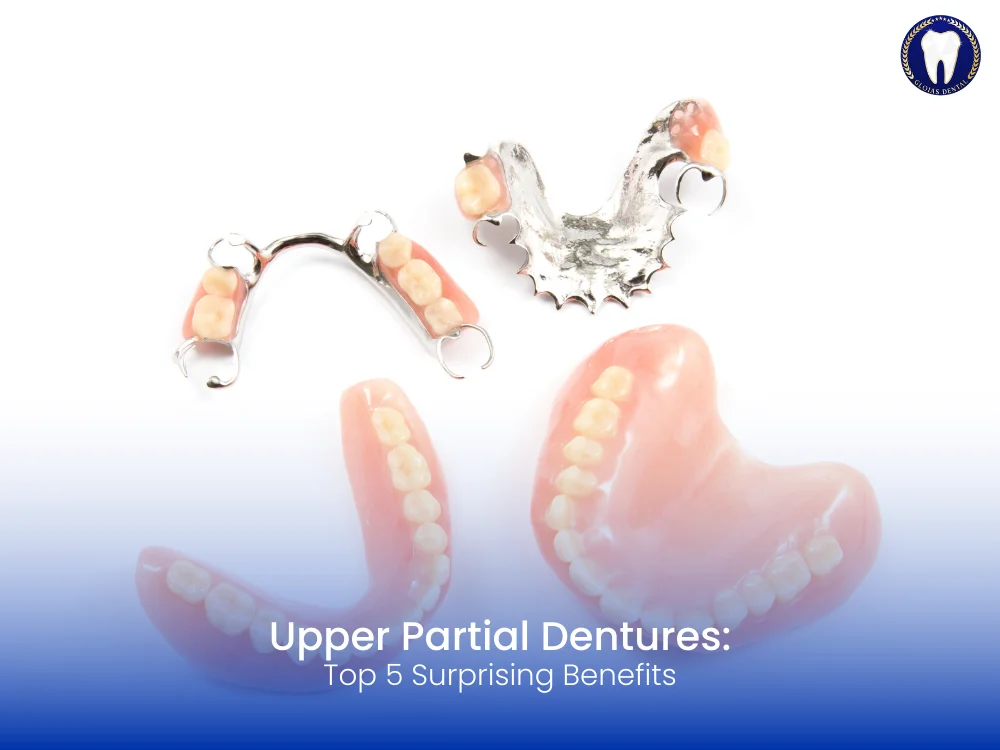
Upper partial dentures are removable dental appliances designed to replace multiple missing teeth in the upper jaw. Made from a combination of acrylic and metal, or sometimes flexible materials, these dentures blend seamlessly with your natural teeth. They not only improve your smile but also help with speaking and chewing—functions that become a challenge when teeth are missing.
Unlike full dentures, which replace an entire arch of teeth, partials are ideal for patients who still retain some of their natural upper teeth. They’re customized to fit your mouth comfortably and are usually held in place with precision attachments or metal clasps.
Types of Upper Partial Dentures
Cast Metal Partial Dentures
These are the most durable and commonly recommended type. They have a metal framework and are known for their strength, longevity, and precise fit.
Acrylic Partial Dentures
A more affordable option, these dentures have an acrylic base that holds artificial teeth. They are usually considered a temporary solution but can be used long-term in some cases.
Flexible Partial Dentures
Made from soft, flexible materials, these dentures are comfortable and have a more natural appearance. They’re ideal for those with sensitivities to metal or rigid structures.
5 Amazing Benefits of Upper Partial Dentures
Restore Natural Appearance
Upper partial dentures fill in the gaps left by missing teeth, instantly enhancing your smile. The prosthetic teeth are color-matched to blend with your natural teeth, making them virtually unnoticeable.
Prevent Shifting of Remaining Teeth
When there are gaps in your smile, surrounding teeth tend to move out of position. This leads to bite problems and uneven wear. Upper partial dentures prevent this by maintaining the alignment of your existing teeth.
Improve Chewing and Speech
Missing upper teeth can make chewing difficult and affect speech clarity. With upper partial dentures, these functions are restored, allowing you to eat and speak with confidence again.
Affordable and Non-Invasive
Compared to dental implants and bridges, upper partial dentures are budget-friendly. They don’t require surgery or extensive prep work, making them accessible for a wide range of patients.
Easy Maintenance and Adjustability
These dentures can be easily removed for cleaning, which helps maintain oral hygiene. They can also be adjusted by your dentist over time to accommodate changes in your mouth.
How Are Upper Partial Dentures Made?
The creation process involves several dental appointments:
- Initial Consultation: Your dentist assesses your oral health and determines if upper partial dentures are right for you.
- Impressions and Measurements: Molds of your mouth are taken to create a precise fit.
- Fitting Trial: A trial denture is placed to ensure proper fit, comfort, and aesthetics.
- Final Denture Placement: Once approved, the final upper partial dentures are fabricated and delivered.
Caring for Your Upper Partial Dentures
Maintaining your dentures properly is crucial for longevity and oral health.
Daily Cleaning Routine
- Rinse after meals to remove debris.
- Brush with a soft denture brush using non-abrasive cleanser.
- Soak overnight in denture solution to keep them fresh and disinfected.
Avoiding Damage
- Never use hot water which can warp the material.
- Handle with care to prevent dropping and cracking.
- Avoid using harsh toothpaste that can scratch the surface.
Common Issues and Troubleshooting
Initial Discomfort
It’s normal to feel a bit of soreness or difficulty while adapting to upper partial dentures. This typically improves within a few weeks.
Speech Difficulties
You might notice changes in how you speak initially. Reading aloud can help you adjust faster.
Looseness or Movement
If your dentures feel loose, don’t ignore it. Visit your dentist for an adjustment. Ill-fitting dentures can lead to mouth sores and bone loss.
Upper Partial Dentures vs. Other Tooth Replacement Options
Feature | Upper Partial Dentures | Dental Implants | Fixed Bridges |
Cost | Low to Moderate | High | Moderate |
Surgical Procedure Needed | No | Yes | Sometimes |
Time Required | Few Weeks | Several Months | Few Weeks |
Maintenance | Easy | Regular Cleaning | Brushing/Flossing |
Lifespan | 5–10 Years | 10–25 Years | 10–15 Years |
Who Is the Ideal Candidate for Upper Partial Dentures?
Upper partial dentures are a practical and effective solution for many patients — especially those looking for a non-surgical, affordable, and relatively fast way to restore missing teeth.
You may be an ideal candidate if you:
Have lost several upper teeth but still retain some natural teeth
Partial dentures are designed to fill gaps while using your remaining natural teeth for support. They help restore your smile, chewing ability, and speech without replacing the entire upper arch.
Have healthy gums and strong remaining teeth
Good oral health is essential. Your supporting teeth and gums must be stable enough to anchor the denture securely. If you have untreated gum disease or severe tooth mobility, your dentist may recommend treatment first.
Prefer a cost-effective alternative to implants or bridges
Upper partial dentures are generally more affordable than dental implants or fixed bridges. They are suitable for patients who want reliable tooth replacement without the higher investment of surgical procedures.
Want a non-surgical solution
If you prefer to avoid surgery, bone grafting, or lengthy healing periods, partial dentures offer a straightforward restorative option.
Need a quicker tooth replacement option
Compared to implants — which can take several months to complete — partial dentures can often be fabricated and fitted within a few weeks after healing from extractions.
Are not suitable candidates for dental implants
Patients with insufficient bone density, certain medical conditions, or those who prefer not to undergo surgery may benefit greatly from partial dentures.
Want to prevent shifting of remaining teeth
When teeth are missing, adjacent teeth can gradually shift out of position. A properly fitted partial denture helps maintain alignment and bite stability.
How Long Do Upper Partial Dentures Last?
With proper care and regular dental check-ups, upper partial dentures typically last 5 to 10 years. However, their lifespan depends on several important factors, including oral hygiene, material quality, and natural changes in your mouth over time.
Here’s what influences how long they last:
1. Material Used
Metal framework partial dentures (such as cobalt-chromium) generally last longer than acrylic-based ones because they are more durable and resistant to wear. Flexible dentures may offer comfort but may require earlier replacement depending on usage.
2. Daily Care and Maintenance
Consistent cleaning, proper storage overnight, and avoiding hard or sticky foods can significantly extend the lifespan of your denture. Poor hygiene may lead to staining, odor, plaque buildup, or damage to the supporting teeth.
3. Natural Changes in Your Gums and Jawbone
Your gums and jawbone naturally change shape over time, especially if teeth were recently extracted. Bone resorption (shrinkage) can cause your denture to feel loose after a few years. When this happens, your dentist may recommend:
Denture relining (adding material to improve fit)
Denture rebasing
Or full replacement if wear is significant
4. Wear and Tear
Just like natural teeth, dentures experience daily stress from chewing and speaking. Small cracks, worn clasps, or loosened components may develop over time.
5. Regular Dental Reviews
Seeing your dentist every 6 months helps detect minor issues early. Simple adjustments can prevent bigger problems and prolong the denture’s usability.
Frequently Asked Questions FAQs
1. Can I sleep with my upper partial dentures in?
It’s recommended to remove them at night to allow your gums to rest and to maintain hygiene.
2. Are upper partial dentures noticeable?
When properly fitted and color-matched, they blend in well and are barely noticeable.
3. How soon after tooth extraction can I get upper partial dentures?
You can typically receive dentures 6–8 weeks after extractions, depending on your healing process.
4. Can I eat all types of food with upper partial dentures?
Yes, but it’s best to start with soft foods and gradually reintroduce harder items.
5. What should I do if my denture breaks?
Do not attempt to repair it yourself. Visit your dentist immediately for professional repair or replacement.
6. Will I need denture adhesive?
Not always. Well-fitted upper partial dentures usually stay in place, but adhesives can provide added stability if needed.
7. How long do upper partial dentures last?
With proper care, upper partial dentures typically last 5–8 years. However, adjustments or relining may be needed over time due to natural changes in your gums and jawbone.
8. Do upper partial dentures affect speech?
You may experience slight speech changes initially, such as difficulty pronouncing certain words. Most patients adapt within a few days to a few weeks with regular practice.
9. How do I clean my upper partial dentures?
Clean them daily using a soft-bristled brush and a denture cleanser. Avoid regular toothpaste, as it can be abrasive. Always rinse after meals and soak them overnight in a denture solution.
10. Can upper partial dentures damage my remaining natural teeth?
When properly designed and maintained, they should not damage natural teeth. Regular dental check-ups ensure clasps and support structures remain safe and stable.
11. Are there different types of upper partial dentures?
Yes. Options include acrylic (plastic-based), metal framework (cobalt-chromium), and flexible partial dentures. Your dentist will recommend the most suitable type based on your oral condition and budget.
12. Will upper partial dentures feel uncomfortable?
Some mild discomfort or pressure is normal during the adjustment period. Persistent pain or sore spots should be addressed by your dentist for minor adjustments.
13. Can I upgrade to dental implants later?
Yes. Upper partial dentures can serve as a temporary or long-term solution. If you later decide on implants, your dentist can assess your bone condition and treatment suitability.
14. Do upper partial dentures prevent bone loss?
Unlike dental implants, partial dentures do not fully prevent bone loss in the jaw. However, they help maintain facial structure and prevent shifting of remaining teeth.
15. How often should I visit the dentist after getting upper partial dentures?
It’s recommended to schedule check-ups every 6 months to ensure proper fit, oral health monitoring, and professional cleaning.