Losing a tooth—or several—is about more than just the gap; it’s about the missed joy of biting into a crisp apple or laughing without overthinking. In Malaysia, dentures remain one of the most trusted ways to reclaim that confidence. Whether you’re looking for a budget-friendly fix or a high-tech “snap-on” upgrade, here is everything you need to know about navigating the world of false teeth in 2026.
GLOJAS Dental Clinic provides premium dentures treatment in Kuala Lumpur, offering custom-fit acrylic, flexible, and implant-supported options. Their expert prosthodontic team ensures natural-looking, comfortable results that perfectly restore chewing function.
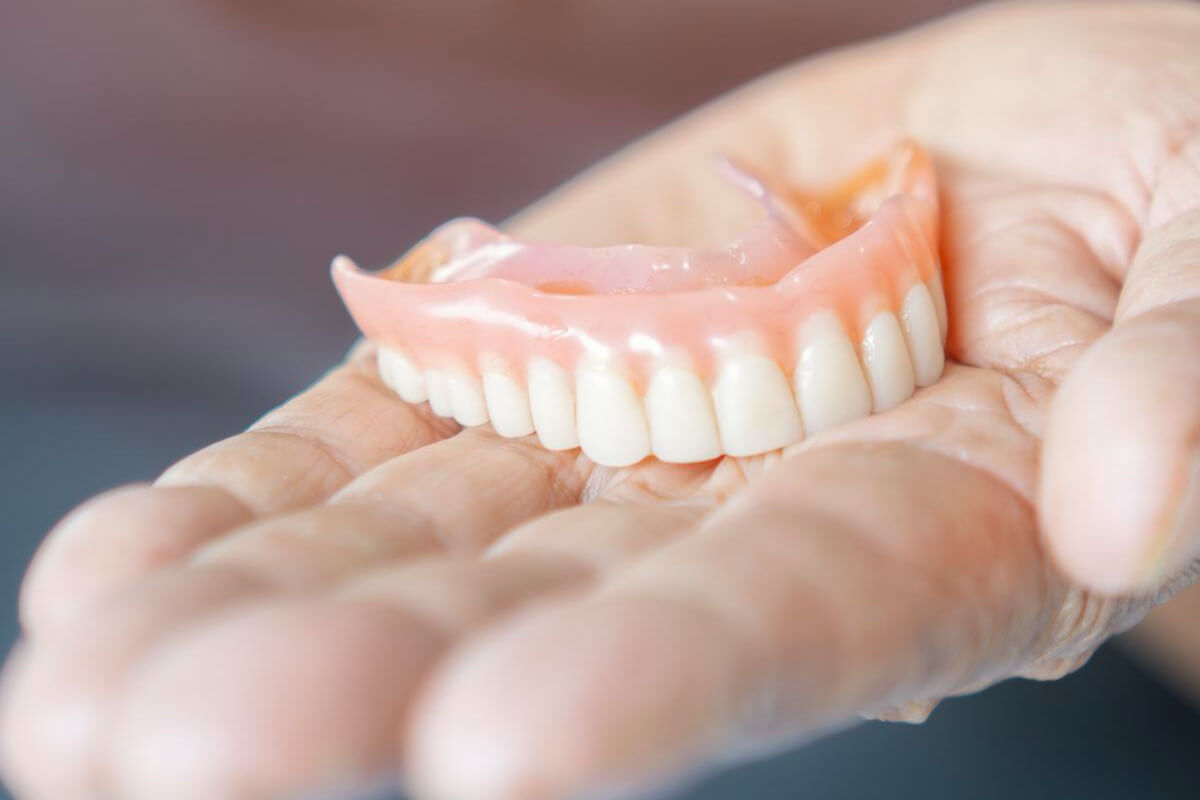
What Are Dentures?
Types of Dentures: Full, Partial, and Implant-Supported
Think of dentures as custom-made “removable armor” for your smile.
Full Dentures: Replace an entire arch of missing teeth (upper or lower).
Partial Dentures: Ideal if you still have healthy natural teeth, using them as anchors to fill gaps.
Implant-Supported Dentures: The gold standard. These “snap-on” to titanium posts surgically placed in your jaw, providing unmatched stability.
How Dentures Work
Upper dentures stay in place via the natural suction created by your palate. Lower dentures, however, are a different beast; because the tongue and cheeks are constantly moving, they rely more on muscle coordination and gravity.
Pro Insight: Mastering a lower denture is actually a neurological feat. Your brain eventually “reprograms” your facial muscles to subconsciously hold the prosthetic in place while you speak.
Common Materials Used in Dentures
Acrylic Resin: Affordable and the easiest to adjust.
Cobalt-Chrome: A thin, strong metal frame often used for partials to reduce bulk.
Flexible Resin (Nylon): Lightweight and great for those who find rigid acrylic uncomfortable.
Porcelain: Offers the most natural aesthetics and stain resistance but is heavier and more prone to chipping.
Who Needs Dentures?
Indications for Dentures
It’s not just an age thing. Severe decay, advanced gum disease (periodontitis), or sports trauma are all common reasons Malaysians seek restorative care.
Age and Dental Health Considerations
When you lose teeth, you lose the stimulation your jawbone needs to stay dense. In the first year alone, up to 25% of jawbone width can be lost through resorption. This “bone melting” is what leads to the “collapsed” facial look often associated with tooth loss.
Alternatives to Dentures
If you have just one or two gaps, a Dental Bridge is a fixed alternative. For those wanting to avoid the “removable” life entirely, Full Mouth Dental Implants provide a permanent, non-removable solution.
Clinics and Cost in Malaysia
Average Cost of Dentures in Malaysia
Government Clinics: Highly subsidized, usually RM 200 – RM 1,000.
Private Clinics: Partial acrylic dentures start around RM 400, while full sets range from RM 1,500 to RM 5,000 per arch.
Implant-Supported: These range from RM 8,000 to RM 25,000 depending on the number of implants.
Insurance Coverage and Payment Options
Standard Malaysian medical insurance rarely covers “cosmetic” dentures. However, many private clinics now offer 0% interest installment plans to help bridge the gap.
In a private setting, the total cost is often calculated based on a base price plus a per-tooth fee. Below is an estimated breakdown of current market rates:
| Type of Denture | Private Clinic Price (RM) | Government Clinic Price (RM) |
| Partial Acrylic | RM 400 – RM 1,200 | RM 40 – RM 120 |
| Full Set (Per Arch) | RM 1,500 – RM 5,000 | RM 80 – RM 200 |
| Flexible Dentures | RM 1,500 – RM 3,500 | Not widely available |
| Metal-Frame (Cobalt Chrome) | RM 1,500 – RM 3,000 | RM 200 – RM 500 |
| Single Tooth Replacement | RM 150 – RM 450 | RM 20 – RM 60 |
Denture Fitting and Procedure
Steps in Getting Dentures
Consultation & Extractions: Removing unsavable teeth.
Impressions: Digital or physical molds are taken.
Bite Registration: Measuring how your jaws meet.
Wax Try-In: Testing a prototype for look and feel.
Final Delivery: Adjusting and polishing the final prosthetic.
Custom vs Standard Dentures
Standard dentures are “off-the-shelf” and adjusted to fit. Custom dentures are built from your unique data, resulting in a significantly lower risk of “clicking” or slippage.
What to Expect During the First Fitting
Expect a “full” sensation and excess saliva for a few days.
Beyond the Obvious: Dentures can temporarily alter your sense of taste. Because the upper plate covers the palate—which contains many secondary taste receptors—flavors may seem muted initially until your brain adjusts.
Caring for Your Dentures
Cleaning and Maintenance Tips
Rinse after every meal.
Brush daily with a non-abrasive denture cleanser (regular toothpaste is too scratchy!).
Soak overnight to keep the material hydrated and maintain its shape.
How to Handle Denture Stains and Odors
Porous acrylic can harbor bacteria that lead to “denture breath.” A 15-minute daily soak in an antibacterial tablet solution is usually enough to keep things fresh.
Signs You Need a Denture Adjustment
If you’re using excessive denture adhesive or noticing sore spots that won’t go away, your jawbone has likely shifted, requiring a professional “reline.”
Benefits and Challenges of Dentures
Advantages of Using Dentures
Beyond chewing, dentures act as internal scaffolding for your face. They prevent the “sunken” appearance of the lips and cheeks, significantly turning back the clock on your visual age.
Common Issues and How to Solve Them
Slippage: Often solved with a better fit or adhesive.
Speech Issues: Practice saying “S” and “F” sounds repeatedly to train your tongue.
Tips for Comfortable Daily Use
Start with soft foods like bubur or steamed fish. Chew on both sides of your mouth simultaneously to prevent the denture from “teeter-tottering.”
Denture Alternatives and Innovations
Implant-Supported Dentures
These eliminate the “palate plate” on upper dentures, allowing you to taste food better and speak without fear of the denture falling out.
Modern Materials and Technology
Digital Dentures (CAD/CAM) are 3D-milled from a single block of high-density acrylic. They are stronger and less porous than traditional hand-poured versions.
The Digital Safety Net: If you lose your digital dentures, your clinic can simply re-print a new set from the stored file—no new impressions needed!
Comparing Dentures vs Bridges and Implants
| Feature | Dentures | Dental Bridges | Implants |
| Fixed/Removable | Removable | Fixed | Fixed |
| Surgery Required | No | No | Yes |
| Bone Preservation | Low | Low | High |
FAQs About Dentures in Malaysia
How Long Do Dentures Last?
Typically 5 to 8 years. As your jawbone naturally shrinks over time, the fit will change even if the denture itself is still in good condition.
Are Dentures Painful?
The procedure isn’t painful, but “breaking them in” can cause mild soreness, much like a new pair of shoes.
Can I Eat Normally with Dentures?
Yes, but skip the dodol and extremely hard nuts initially. Once you’re adjusted, most Malaysian delicacies are back on the menu!