
False dentures have revolutionized dental care for millions of individuals suffering from tooth loss. Whether due to aging, disease, or accidents, losing teeth can impact one’s confidence, eating habits, and overall quality of life. Thankfully, false dentures provide an effective, affordable, and customizable solution to restore your smile and function. In this comprehensive guide, we’ll dive into the top benefits, types, care tips, and FAQs to help you make an informed choice.
Understanding False Dentures
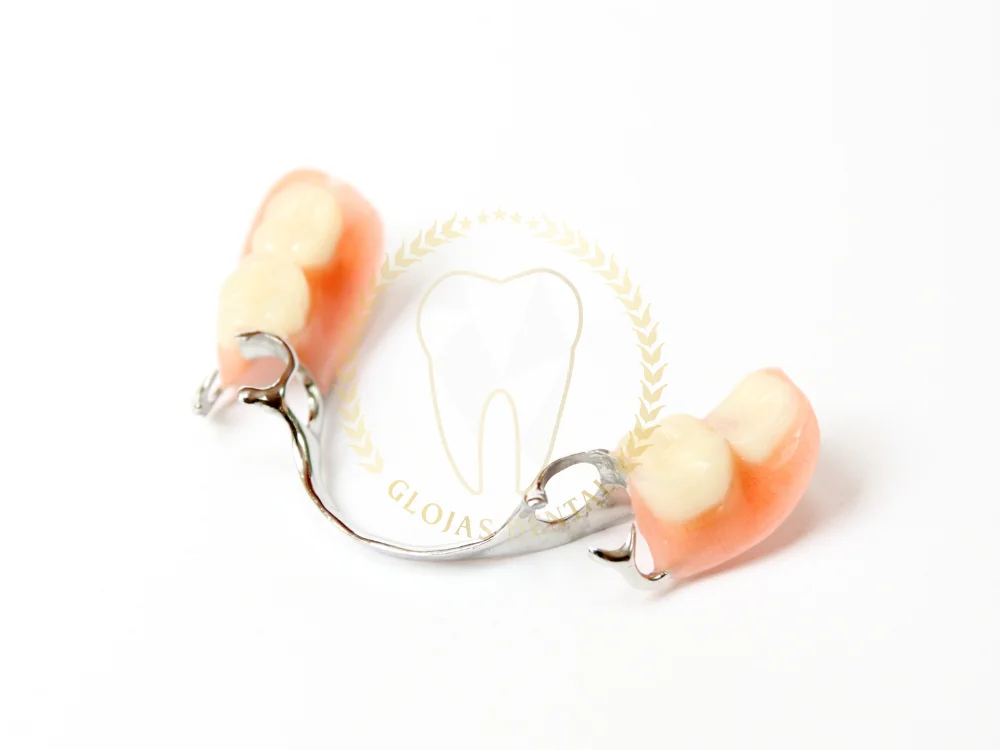
False dentures, commonly referred to as artificial teeth or dental prosthetics, are removable appliances designed to replace missing teeth and surrounding tissues. These are usually made from acrylic resin, sometimes combined with metal attachments for enhanced stability and comfort.
Types of False Dentures Available
There are primarily two types of false dentures:
- Complete Dentures: Used when all teeth are missing.
- Partial Dentures: Ideal when some natural teeth remain.
Each option is custom-made to fit the individual’s mouth for maximum comfort and functionality.
Why Do People Choose False Dentures?
There are numerous reasons why people opt for false dentures:
- Affordability: Compared to dental implants, dentures are more cost-effective.
- Quick Solution: They offer a quicker fix to tooth loss compared to surgical options.
- Custom Fit: Dentures are made to fit the patient’s mouth precisely, ensuring a natural look and feel.
Benefits of Wearing False Dentures
Restores Aesthetic Appearance
Missing teeth can age a person’s face and diminish self-esteem. False dentures fill in gaps, supporting facial muscles and restoring a youthful look.
Improves Speech and Eating Habits
Tooth loss can severely impact your ability to chew food and pronounce words. Dentures enable better enunciation and allow you to enjoy a more varied diet.
Enhances Confidence
Wearing false dentures gives individuals the confidence to speak and smile without embarrassment, improving their overall quality of life.
Promotes Oral Health
Partial dentures can prevent the remaining natural teeth from shifting out of position. This helps in maintaining proper alignment and oral hygiene.
False Dentures vs. Dental Implants
While both serve the purpose of replacing missing teeth, there are some distinct differences:
Feature | False Dentures | Dental Implants |
Cost | More Affordable | More Expensive |
Non-Surgical | Surgical | |
Longevity | 5–8 Years | 10–25 Years |
Comfort | Adjustable fit | Permanent fit |
False dentures are ideal for those seeking a non-invasive and budget-friendly solution.
How Are False Dentures Made?
The process of getting false dentures includes:
- Dental Impressions: Your dentist takes an impression of your gums and any remaining teeth.
- Trial Denture Fitting: A preliminary model is created to check fit and appearance.
- Final Denture Placement: Adjustments are made for the final denture to ensure comfort.
How to Care for False Dentures
Maintaining your dentures is crucial for oral health and longevity:
Daily Cleaning Routine
- Brush with a soft-bristled toothbrush
- Avoid hot water that may warp the denture
- Soak them in a denture cleanser overnight
Regular Dental Checkups
Even if you have full dentures, routine dental visits are essential to monitor your oral tissues and fit.
Common Challenges with False Dentures
Initial Discomfort
New users may feel odd wearing dentures for the first few weeks. Soreness or excessive saliva is common but usually resolves over time.
Slippage Issues
Improper fit can lead to denture slippage. Adhesives or re-lining by a dentist can resolve this.
Speech Adjustments
Some sounds may be difficult to pronounce initially. Practicing reading aloud can help speed up the adaptation process.
Innovations in Denture Technology
Today’s false dentures are a far cry from what they used to be:
- 3D Printed Dentures: More accurate fit and quicker turnaround time.
- Flexible Partial Dentures: Less rigid and more comfortable for everyday use.
- Implant-Supported Dentures: Combine the affordability of dentures with the stability of implants.
Is It Time to Replace Your Dentures?
Dentures need to be replaced every 5–8 years or when:
- They become loose or uncomfortable
- You notice visible wear or cracks
- Your facial structure changes
Regular follow-ups ensure that your dentures remain a perfect fit.
False Dentures for Seniors
Seniors form the majority of denture users. Custom false dentures help maintain nutrition, self-esteem, and oral comfort in older adults.
Pediatric False Dentures
In rare cases, children may require dentures due to congenital conditions or accidents. Pediatric dentures are designed with care for growing mouths.
Tips for Getting Used to False Dentures
Adjusting to false dentures takes time and patience. The following tips can help make the transition more comfortable and natural:
Start by Wearing Them for Short Periods
In the first few days, wear your dentures for a few hours at a time. Gradually increase the duration as your gums and jaw muscles adapt. This helps reduce soreness and prevents unnecessary strain.
Begin with Soft, Easy-to-Chew Foods
Stick to soft foods such as porridge, yogurt, soups, mashed vegetables, eggs, and fish. Cut food into small pieces and chew slowly using both sides of your mouth to maintain balance.
Practice Speaking Slowly
Speaking may feel awkward at first. Practice reading aloud or repeating difficult words at home. Over time, your tongue and facial muscles will learn to work naturally with the dentures.
Expect Mild Discomfort Initially
Some pressure or irritation is normal during the adjustment phase. However, persistent pain is not normal—visit your dentist for adjustments if discomfort continues.
Maintain Good Denture Hygiene
Clean your dentures daily and keep your gums healthy. Proper hygiene reduces irritation and helps you adapt faster.
Diet Tips for Denture Wearers
Avoid sticky or hard foods that may dislodge the dentures. Include nutrient-rich soft foods like eggs, bananas, and yogurt in your diet.
Psychological Benefits of Dentures
Beyond the functional improvements, dentures can significantly boost a person’s mental health by restoring their appearance and self-confidence.
Environmental Impact of Dentures
Eco-conscious users can now opt for biodegradable materials and recyclable denture options, reducing the ecological footprint.
Cost of False Dentures
The cost of false dentures in Malaysia varies based on the type of denture, materials used, complexity of the case, and the clinic’s expertise. Below is a general price guide:
Partial Dentures
RM 2,000 – RM 6,000
Partial dentures are suitable if you still have some healthy natural teeth. Prices depend on whether the denture is made from acrylic, metal framework (cobalt-chromium), or flexible materials.
Full Dentures
RM 4,000 – RM 12,000
Full dentures replace all teeth in the upper jaw, lower jaw, or both. Cost is influenced by denture base quality, tooth aesthetics, and the number of fittings required.
Premium Dentures
RM 12,000 and above
Premium options may include high-end imported materials, enhanced bite precision, digital denture design, or implant-supported dentures for superior stability and comfort.
Additional Costs to Consider
Tooth extractions (if required)
Temporary dentures
Denture relining or future adjustments
Follow-up visits and maintenance
Insurance and Financing Options
Many dental plans cover dentures either partially or fully. Additionally, clinics offer installment plans to make them more accessible.
Frequently Asked Questions FAQs
1. How long do false dentures last?
Typically, 5 to 8 years. Over time, your mouth changes, so replacement is necessary for comfort and function.
2. Can I sleep with my false dentures?
It’s best to remove them at night to allow your gums to rest and to clean the dentures thoroughly.
3. Are false dentures painful?
There might be mild discomfort initially, but with adjustments and proper fit, they should be comfortable.
4. Can I eat everything with dentures?
You can eat most foods, but avoid extremely hard or sticky items that might dislodge or damage them.
5. Do false dentures look natural?
Modern dentures are designed to mimic natural teeth closely, offering a realistic appearance.
6. How do I clean false dentures?
Use a soft brush and non-abrasive denture cleanser daily. Never use regular toothpaste.
7. How long does it take to get used to false dentures?
Most people adapt within a few weeks. Speaking and chewing may feel awkward at first, but this improves as your mouth muscles adjust.
8. Will false dentures affect my speech?
Temporary changes in speech are common initially. Practicing speaking aloud helps your tongue adapt faster.
9. Do dentures need regular adjustments?
Yes. As gums and jawbone naturally shrink over time, periodic adjustments help maintain comfort and proper fit.
10. Can false dentures cause gum irritation?
Ill-fitting dentures can cause sore spots or irritation. If discomfort persists, consult your dentist for adjustments.
11. Are denture adhesives necessary?
Not always. Well-fitted dentures may not require adhesive, but some people use it for extra stability.
12. Can I wear dentures if I have sensitive gums?
Yes, but proper fitting and gradual wear are important. Your dentist may recommend special liners for added comfort.
13. What should I do if my dentures feel loose?
Avoid self-fixing. Schedule a dental visit for relining or adjustment to prevent sores and poor chewing efficiency.
14. How often should false dentures be replaced?
Even with good care, most dentures need replacement every 5–8 years due to changes in oral structure.
15. Can dentures improve facial appearance?
Yes. Dentures help support facial muscles, reducing a sunken or aged appearance caused by missing teeth.
Conclusion
False dentures provide a life-enhancing solution for anyone facing tooth loss. With today’s advanced materials and customization techniques, they offer a natural look, comfortable fit, and restored functionality. Whether you’re new to dentures or exploring your options, understanding their benefits, care, and cost ensures a confident and informed decision.