
Full dentures have revolutionized how people restore their oral health after complete tooth loss. Whether caused by aging, gum disease, or injury, losing all teeth in one or both jaws can be daunting. Thankfully, modern full dentures offer a lifelike, comfortable, and highly functional replacement solution that dramatically improves quality of life. In this article, we’ll explore everything you need to know about full dentures—from types and benefits to care tips and costs.
What Are Full Dentures?
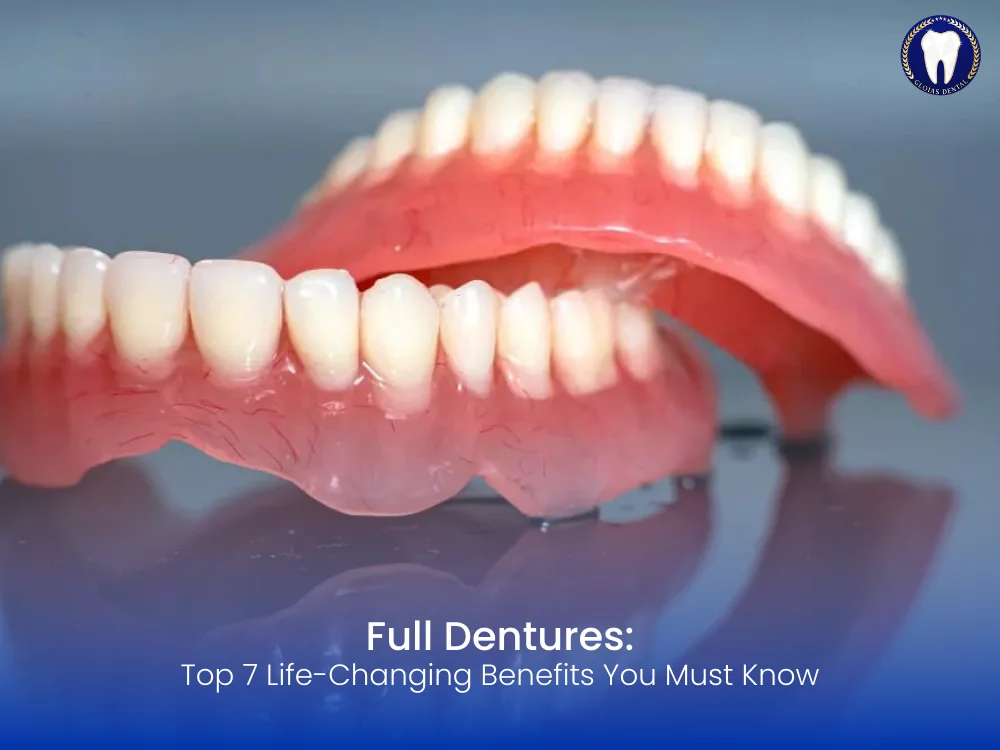
Full dentures, also called complete dentures, are removable prosthetic devices designed to replace all the teeth in the upper or lower arch—or both. They rest directly on the gums and are custom-made to match the shape and contours of your mouth. Unlike partial dentures, which fill gaps between existing teeth, full dentures are used when no natural teeth remain.
Types of Full Dentures
There are several types of dentures, each suited for different needs:
- Conventional Full Dentures: Made after the gums heal from tooth extraction.
- Immediate Full Dentures: Inserted right after teeth removal, allowing for instant function.
- Implant-Supported Dentures: Snap onto dental implants for improved stability.
- Custom Full Dentures: Designed for superior aesthetics and fit using high-quality materials.
The Full Dentures Procedure: Step by Step
Getting dentures is a process that requires several appointments:
- Initial Consultation: Your dentist evaluates oral health and discusses your needs.
- Impressions: Molds of your gums and jaw are taken.
- Wax Try-Ins: You try a wax model to ensure the fit and appearance.
- Final Denture Placement: The finished denture is adjusted and placed.
- Follow-Up Visits: Adjustments may be needed for optimal comfort.
Top Benefits of Full Dentures
Improved Aesthetics and Confidence
One of the biggest advantages is restoring your natural-looking smile. Dentures support facial structure, preventing the sunken look that often accompanies tooth loss.
Enhanced Speech and Chewing
With proper fitting dentures, speaking clearly and chewing becomes easier, allowing you to enjoy a varied diet and socialize without embarrassment.
Custom Comfort and Fit
Modern dentures are made with high-quality, flexible materials that mold to the mouth. This makes them much more comfortable than old-fashioned designs.
Boost in Self-Esteem
Regaining the ability to smile, eat, and speak normally can dramatically uplift your mood and confidence levels.
Prevention of Further Oral Issues
Dentures help protect the gums and oral cavity from further damage. When toothless areas are left untreated, gum recession and bone loss may accelerate.
How to Take Care of Full Dentures
Caring is crucial to extend their lifespan and maintain oral hygiene.
Daily Cleaning Routine
Use a soft brush and mild denture cleanser to clean your dentures daily. Avoid toothpaste, which can be abrasive.
Proper Storage
Always store dentures in water or a denture-soaking solution overnight to keep them moist and prevent warping.
Regular Dental Check-Ups
Even without natural teeth, visiting your dentist regularly helps monitor your oral health and ensures a good fit.
Common Challenges with Full Dentures
Despite their benefits, it may present some initial challenges:
- Speech Difficulties: May occur during the adjustment phase.
- Sore Spots: Common in the beginning as your mouth adapts.
- Looseness: Sometimes dentures may shift; adhesives or relining may be required.
Cost of Full Dentures
The cost in Malaysia varies widely depending on several factors, including the type of dentures, materials used, the complexity of your oral condition, and the dentist’s level of experience. On average, you can expect to pay anywhere between RM 2,500 to RM 30,000 per arch.
Conventional acrylic dentures—which are the most common and affordable type—typically cost between RM 2,500 to RM 5,000 per arch. These are ideal for individuals seeking a budget-friendly option that still provides a natural appearance and comfortable fit.
For those looking for enhanced comfort, aesthetics, and durability, flexible or premium dentures made from advanced materials such as Valplast or porcelain can range between RM 5,000 to RM 10,000 per arch. These options tend to look more natural and feel lighter, offering improved wearability.
Meanwhile, implant-supported dentures, often regarded as the gold standard, come at a significantly higher cost—ranging from RM 15,000 to RM 30,000 per arch, depending on the number of implants required. Although this option is more expensive upfront, it provides superior stability, prevents jawbone loss, and mimics the feel and function of natural teeth more closely than traditional dentures.
It’s important to remember that the total cost may also include consultation fees, dental impressions, fitting sessions, adjustments, and follow-up appointments. Additionally, denture relining or replacement over time may add to the overall investment, especially as your gums and jawbone naturally change shape with age.
Many dental clinics in Malaysia offer flexible payment plans or installment options, making full dentures more accessible to a wider range of patients. Some insurance policies and government healthcare programs may also cover part of the treatment cost, so it’s advisable to check your coverage before proceeding.
Ultimately, when choosing dentures, don’t base your decision solely on price. Consider the long-term comfort, functionality, and quality of life that well-fitted, high-quality dentures can provide. Investing in the right type of dentures can significantly improve your ability to eat, speak, and smile confidently every day.
Who Should Consider Full Dentures?
Anyone who has lost all their upper or lower teeth—due to age, decay, or trauma—should consider full dentures as a viable and cost-effective solution to restore their oral function and aesthetics.
Myths About Full Dentures Debunked
- Myth: Dentures look fake
Fact: Modern dentures are highly realistic and virtually indistinguishable from natural teeth. - Myth: Only old people wear dentures
Fact: Tooth loss can happen at any age, and full dentures are a solution for adults of all ages. - Myth: Dentures fall out easily
Fact: Properly fitted dentures, especially implant-supported ones, stay securely in place.
FAQs
1. How long do full dentures last?
With proper care, full dentures can last between 5 to 10 years before needing replacement or relining.
2. Can I sleep with my full dentures in?
It’s recommended to remove them at night to allow your gums to rest and maintain hygiene.
3. Are dentures painful to wear?
You may experience some discomfort initially, but this usually subsides as your mouth adjusts.
4. Can I eat all types of food with full dentures?
Yes, but start with soft foods and gradually reintroduce harder items as your confidence grows.
5. Do dentures affect taste?
Some taste perception may be reduced, especially with upper dentures, but this varies per person.
6. How often should I replace my full dentures?
Typically every 5–10 years, depending on wear, comfort, and fit.
7. How do I clean my full dentures properly?
Clean your dentures daily using a soft-bristled brush and non-abrasive denture cleanser. Avoid regular toothpaste as it can scratch the surface. Soak them overnight in a denture cleaning solution to keep them fresh and bacteria-free.
8. Can full dentures improve my facial appearance?
Yes, full dentures restore facial volume lost due to missing teeth, helping to reduce sagging and giving your face a fuller, more youthful look.
9. What should I do if my full dentures become loose?
If your dentures feel loose or unstable, don’t rely on adhesives. Schedule a visit with your dentist for an adjustment or reline to ensure a secure and comfortable fit.
10. Can I use denture adhesive with full dentures?
Yes, denture adhesives can help improve stability, especially for lower dentures. However, they should not be used as a substitute for a poor fit — consult your dentist if you need frequent use.
11. How long does it take to get used to full dentures?
It typically takes a few weeks to adjust to full dentures. Speaking and eating might feel awkward initially, but with consistent use, most people adapt within a month.
12. Will my speech be affected by dentures?
Slightly at first. You might notice minor changes in pronunciation or a lisp, but regular practice — like reading aloud — helps you regain natural speech quickly.
13. Can full dentures be repaired if they break?
Yes, in most cases, a dentist can repair cracked or broken dentures. However, severely damaged ones may require replacement.
14. How much do full dentures cost?
The cost varies based on materials, customization, and your dentist’s fees. On average, full dentures can range from $1,000 to $5,000 per arch.
15. Are implant-supported dentures better than traditional full dentures?
Implant-supported dentures offer more stability and comfort, preventing slippage. However, they are more expensive and require a surgical procedure.
16. Can full dentures be whitened?
No, dentures cannot be whitened like natural teeth. To keep them bright, clean them daily and avoid staining foods and drinks such as coffee or red wine.
17. What happens if I don’t wear my dentures regularly?
If not worn regularly, your gums and jawbone may change shape, affecting denture fit and comfort. Wearing them daily helps maintain proper alignment and oral function.
18. Are full dentures covered by insurance?
Many dental insurance plans cover part or all of the cost. It’s best to check your policy details or consult your provider for specific coverage information.
19. How do I handle sore spots from new full dentures?
Minor soreness is common when adjusting to new dentures. Rinse your mouth with warm salt water and consult your dentist if the discomfort persists longer than a few days.
20. Can I get dentures immediately after tooth extraction?
Yes, immediate dentures can be fitted right after tooth extraction. However, as your gums heal, adjustments or a new set may be needed for a better fit.