

Missing just one tooth might seem minor, but it can have a significant impact on your smile, bite, and self-confidence. Fortunately, a Valplast single tooth denture offers a game-changing solution that’s not only aesthetically pleasing but also incredibly comfortable. Known for its flexibility, durability, and natural appearance, this denture option is becoming increasingly popular among dental patients seeking a non-invasive yet highly effective alternative to traditional partials or implants.
Let’s dive into everything you need to know about the Valplast single tooth denture, including its benefits, process, cost, care tips, and how it compares to other solutions.
What Is a Valplast Single Tooth Denture?
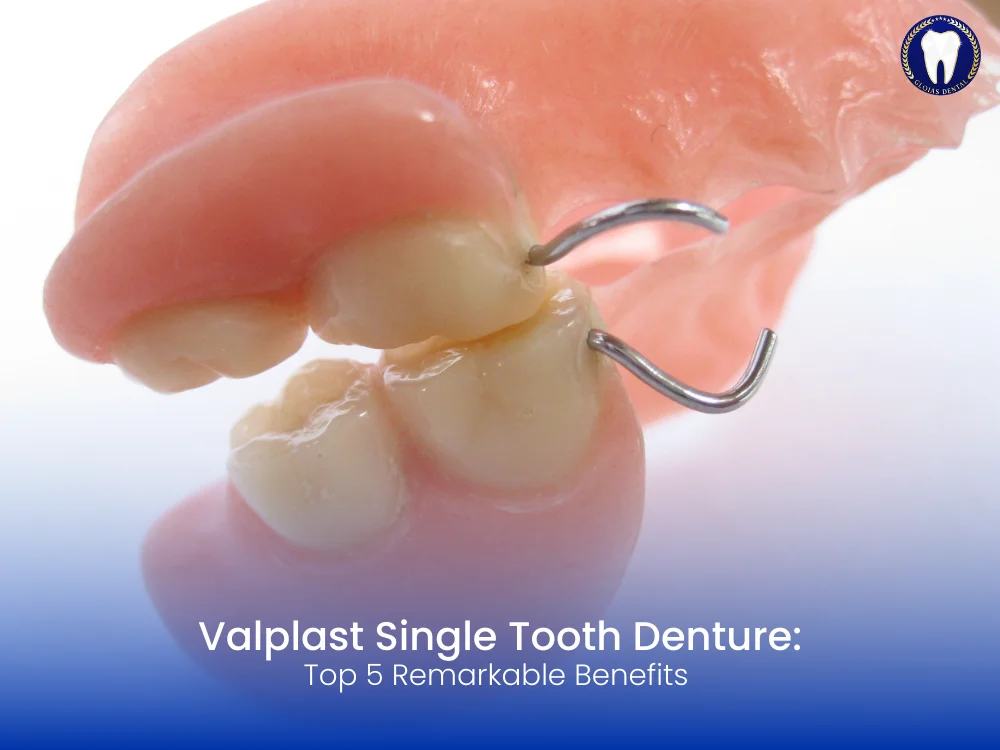
A Valplast single tooth denture is a type of removable partial denture made from a flexible, nylon-based thermoplastic material. Unlike rigid acrylic or metal dentures, Valplast adapts comfortably to the natural contours of your mouth without requiring metal clasps or adhesives.
Why Valplast Over Traditional Options?
- No metal wires or visible clasps
- Lightweight and ultra-flexible
- Hypoallergenic material
- Can be easily adjusted or remade
Valplast dentures are particularly well-suited for single-tooth replacements where the patient wants a discreet, cost-effective, and quick solution.
How Does the Valplast Single Tooth Denture Work?
The Valplast single tooth denture rests on your gum and surrounding teeth, using its natural flexibility to stay securely in place. Here’s a quick look at how it functions:
- The denture includes one replacement tooth crafted to match your natural teeth.
- It fits snugly over the gum where the tooth is missing.
- The surrounding pink gum-like base blends with your natural tissue.
Unlike traditional partials, there’s no need for bulky metal clasps or drilling into adjacent teeth.
Top Benefits of a Valplast Single Tooth Denture
Unmatched Comfort
Valplast material is soft, flexible, and adjusts naturally to the shape of your mouth, making it more comfortable than rigid acrylic alternatives.
Aesthetically Pleasing
Its gum-colored base blends beautifully with your natural tissue, while the tooth is color-matched to the rest of your smile.
Quick and Non-Invasive
Unlike implants that require surgery, a Valplast single tooth denture can often be fabricated and fitted within a few appointments—no surgery, no downtime.
Affordable Tooth Replacement
When compared to implants or fixed bridges, Valplast offers a budget-friendly yet effective solution for single-tooth replacement.
Durability and Longevity
With proper care, these dentures can last many years without needing major repairs or replacements.
Ideal Candidates for Valplast Single Tooth Denture
You might be a perfect candidate if:
- You are missing a single tooth
- You prefer a non-surgical option
- You want an affordable and discreet solution
- You have a healthy oral structure to support a removable appliance
It’s also a great option for those who may not be suitable candidates for implants due to bone loss, medical conditions, or financial concerns.
The Procedure: Getting Your Valplast Denture
Getting a Valplast single tooth denture is a fairly straightforward process:
Initial Consultation
Your dentist evaluates your oral health, discusses your goals, and takes impressions of your mouth.
Fabrication
The impressions are sent to a dental lab where your custom denture is designed, color-matched, and crafted to fit perfectly.
Fitting and Adjustment
Once ready, your dentist ensures a proper fit and makes any necessary adjustments for optimal comfort and appearance.
Caring for Your Valplast Single Tooth Denture
Proper care is essential to extend the lifespan of your Valplast single tooth denture and keep your mouth healthy. With the right daily routine, your denture can remain comfortable, hygienic, and natural-looking for years.
Daily Cleaning
Clean your Valplast denture at least once a day using a Valplast-approved denture cleaner or mild, non-abrasive soap. Use a soft denture brush to gently remove plaque, food particles, and bacteria. Avoid regular toothpaste, as it can be too abrasive and cause surface scratches that trap stains.
Avoid Heat Exposure
Never use hot or boiling water when cleaning or soaking your denture. High temperatures can cause the flexible material to warp or lose its shape, affecting fit and comfort.
Proper Storage
When not in use, store your denture in clean water or a moist denture container. Allowing it to dry out can make the material brittle and increase the risk of damage.
Remove at Night
It’s best to remove your denture before sleeping. This gives your gums time to rest, promotes healthy circulation, and helps prevent irritation or infection.
Maintain Oral Hygiene
Continue brushing your natural teeth, gums, and tongue at least twice daily. Good oral hygiene helps prevent gum disease and ensures the surrounding tissues remain healthy for proper denture support.
Handle With Care
Always clean and handle your denture over a soft surface or a basin filled with water to reduce the risk of breakage if dropped.
Schedule Regular Dental Check-Ups
Visit your dentist regularly to check the fit of your denture and monitor gum health. Over time, natural changes in the gums may require adjustments or replacement.
With consistent care and routine dental visits, a Valplast single tooth denture can stay comfortable, functional, and aesthetically pleasing for the long term.
Valplast Single Tooth Denture vs Other Options
Choosing the right tooth replacement depends on comfort, aesthetics, longevity, cost, and whether you want a surgical solution. Below is a simplified comparison to help patients understand the key differences.
| Feature | Valplast Single Tooth Denture | Acrylic Denture | Dental Implant |
|---|---|---|---|
| Material | Flexible nylon-based thermoplastic | Rigid acrylic resin | Titanium post with ceramic crown |
| Comfort | Very high due to flexibility and lightweight design | Moderate; may feel bulky | High after healing is complete |
| Aesthetic Appearance | Excellent – gum-colored base, no metal clasps | Fair – may show clasps or thicker base | Excellent – looks and feels like a natural tooth |
| Invasiveness | Non-invasive, no surgery required | Non-invasive | Surgical procedure required |
| Adjustment Period | Short; most patients adapt quickly | Moderate; may require more adjustments | Longer due to healing and osseointegration |
| Longevity | Around 5–10 years with proper care | Around 5–7 years | 15–25 years or longer with good oral hygiene |
| Maintenance | Daily removal and cleaning required | Daily removal and cleaning required | Similar to natural teeth |
| Cost (Approximate, Malaysia) | RM1,800 – RM4,000 | RM1,200 – RM3,000 | RM6,000 – RM12,000 per tooth |
Which Option Is Right for You?
Valplast single tooth dentures are ideal for patients seeking a comfortable, natural-looking, and affordable solution without surgery.
Acrylic dentures are a lower-cost option, but they may compromise comfort and aesthetics.
Dental implants offer the most permanent solution, but they require surgery, longer healing time, and a significantly higher investment.
For many patients, Valplast strikes a balance between aesthetics, comfort, and cost, making it a popular choice for replacing a single missing tooth—especially in visible areas.
Cost of Valplast Single Tooth Denture
The cost of a Valplast single tooth denture can vary based on the clinic, dentist’s experience, case complexity, and laboratory quality. However, in Malaysia, the general price range is:
Valplast Single Tooth Denture Cost:
RM1,800 – RM4,000
This typically includes consultation, impressions, denture fabrication, and fitting.
Additional Costs (Optional Add-Ons):
Tooth shade customization for better color matching: RM300 – RM800
Adjustments or minor repairs (if needed): RM200 – RM500
Replacement due to gum changes over time: varies by case
Insurance Coverage:
Some dental insurance plans may partially cover removable dentures, but coverage depends on your policy. Cosmetic-related upgrades are usually not included. Patients are advised to check with their insurance provider beforehand.
Compared to dental implants or fixed bridges—which can cost RM6,000 to RM12,000 per tooth—a Valplast single tooth denture is a more affordable, non-surgical solution. This makes it especially suitable for patients on a limited budget, those who are not ready for surgery, or individuals seeking a temporary tooth replacement with good aesthetics.
Longevity and Replacement
With proper care, a Valplast single tooth denture can last 5–10 years or more. However, changes in gum and bone structure over time may require adjustments, relining, or eventual replacement.
FAQs About Valplast Single Tooth Denture
1. Is Valplast suitable for replacing a single front tooth?
Yes, it’s ideal for visible areas due to its natural look and discreet base.
2. Can I eat with a Valplast single tooth denture?
Absolutely. After a short adjustment period, you can comfortably eat most foods, though sticky or overly hard foods should be avoided.
3. Is Valplast better than a metal partial?
It depends on personal preference. Valplast is more flexible and aesthetically pleasing, while metal partials may provide more rigidity.
4. How long does it take to get a Valplast denture?
Typically 1–2 weeks from impression to fitting, depending on lab turnaround.
5. Does Valplast stain over time?
With good hygiene and proper cleaning agents, staining is minimal and manageable.
6. Can the denture be repaired if it breaks?
While Valplast is durable, it can sometimes be repaired. Always consult your dentist if you notice damage.
7. Is a Valplast single tooth denture comfortable to wear?
Yes. Valplast is lightweight and flexible, allowing it to adapt closely to the gums, which helps reduce pressure points and irritation.
8. Will a Valplast denture affect my speech?
Most patients adjust quickly. You may notice slight changes initially, but normal speech usually returns within a few days of regular use.
9. Can I sleep with my Valplast denture on?
It’s generally recommended to remove it at night to allow your gums to rest and to maintain proper oral hygiene.
10. How do I clean a Valplast single tooth denture?
Clean it daily using a soft brush and non-abrasive denture cleaner. Avoid hot water, as it can distort the material.
11. Does Valplast cause gum irritation or allergies?
Valplast is metal-free and biocompatible, making it suitable for patients with metal sensitivities or allergies.
12. How long does a Valplast single tooth denture last?
With proper care, it can last several years. However, changes in gums or teeth may require adjustments or replacement over time.
13. Can Valplast be adjusted if it feels loose?
Minor adjustments are possible, but Valplast cannot be relined as easily as acrylic dentures. Always have adjustments done by a dentist.
14. Is a Valplast single tooth denture a permanent solution?
It’s considered a long-term but not permanent solution. Some patients later transition to dental implants or fixed bridges.
15. Is Valplast more expensive than acrylic dentures?
Valplast is usually slightly more expensive due to its material and aesthetics, but it remains more affordable than implants or bridges.